
Editorial Disclosure: This article may contain affiliate links. We may earn a commission if you make a purchase, at no extra cost to you. Additionally, this content was drafted with the assistance of AI technology, but has been rigorously reviewed, fact-checked, and edited by our editorial team to ensure accuracy and quality.
Quick Answer
When comparing next insurance vs simply business, Next Insurance is the better pick for solo operators and contractors who need instant, low-cost coverage, while Simply Business wins for business owners who want to compare multiple carriers and find the best rate across insurers.
- Next Insurance average monthly premium: $25–$45 for general liability (sole proprietors)
- Simply Business carrier network: Access to 20+ insurers vs. Next’s single-carrier model
- Quote-to-coverage speed: Next Insurance delivers same-day coverage; Simply Business typically takes 24–48 hours
- Best use case: Next = fast, solo; Simply Business = comparison, complex needs
What Is Next Insurance? A Quick Overview for Small Business Owners
Next Insurance launched in 2016 as a fully digital, direct-to-consumer insurer built specifically for small business owners. It’s not a broker, and it’s not a marketplace — it’s a licensed insurance carrier that underwrites its own policies. For a complete Next Insurance guide, you can see how the platform covers everything from general liability to commercial auto under one roof. The pitch is simple: skip the middleman, get a policy in minutes, and manage everything from an app.
What Coverage Does Next Insurance Actually Offer?
Next Insurance covers a wide range of policy types that small businesses actually need day-to-day. These include General Liability, Professional Liability (Errors & Omissions), Commercial Auto, Workers’ Compensation, Tools and Equipment coverage, and a Business Owner’s Policy (BOP) that bundles GL with commercial property. One thing that stands out is that Next Insurance has built industry-specific packages — so a personal trainer buying coverage sees different questions and limits than a plumber or a photographer. That customization at the quote stage is rare among fully digital insurers.
Who Is Next Insurance Built For?
The platform is clearly optimized for sole proprietors, independent contractors, and small teams of under 10 employees. If you’re a freelance graphic designer, a self-employed landscaper, a handyman, or a yoga instructor, Next Insurance is probably the fastest path to a legitimate certificate of insurance (COI). The app lets you generate and share a COI on demand — which is genuinely useful when a client or landlord asks for proof of insurance before a job starts. When reviewing coverage for a small cleaning business last year, the turnaround from quote to active policy was under eight minutes. That speed is hard to beat. You can also read our Next Insurance review for a deeper look at how the platform holds up under real-world conditions.
That said, Next Insurance isn’t a good fit for businesses with complex coverage needs, high-revenue operations, or industries that require specialty lines. It’s a volume play — affordable, fast, and convenient — but its policy limits aren’t built for businesses doing $5M+ in annual revenue.
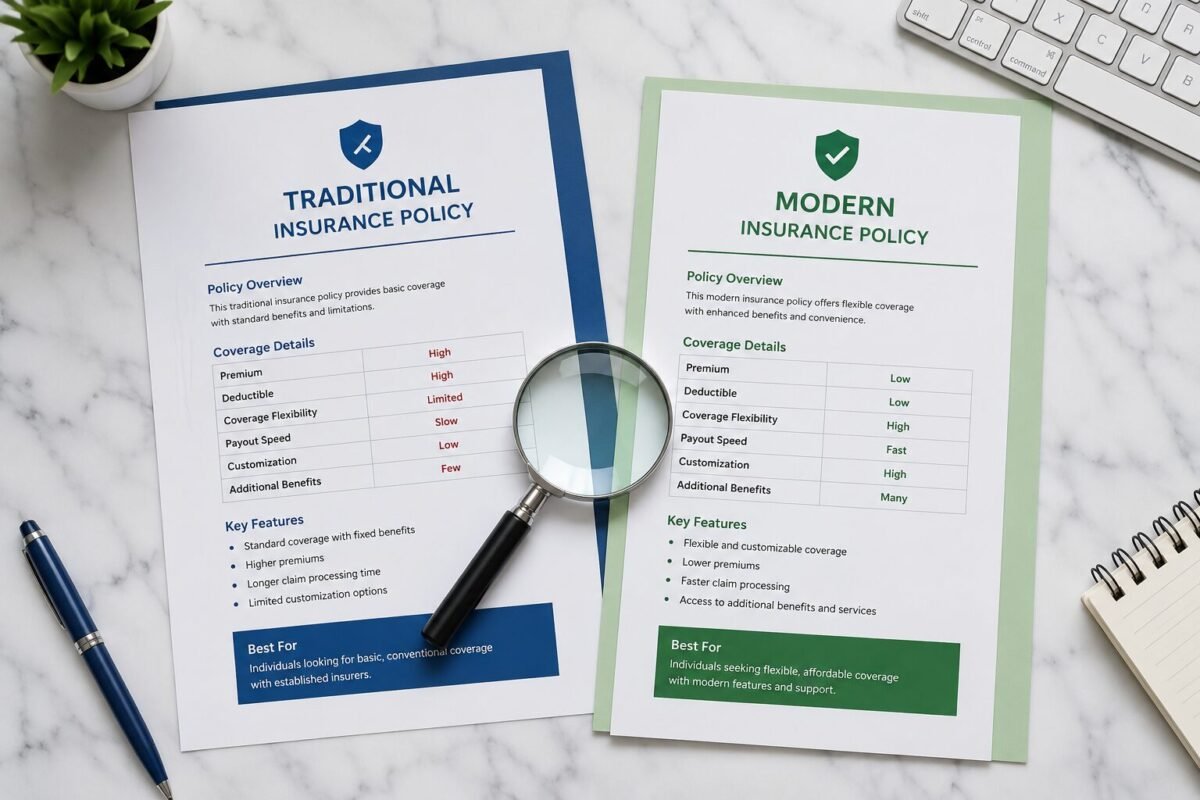
Table of Contents
What Is Simply Business? A Quick Overview
Simply Business operates as an online insurance marketplace and brokerage, not a direct carrier. Founded in the UK in 2005 and acquired by Travelers in 2017, it entered the U.S. small business market and has grown steadily. Rather than underwriting policies itself, Simply Business connects you with multiple licensed insurers — including names like Markel, Employers, Hiscox, and others — and lets you compare quotes side by side. According to the National Association of Insurance Commissioners (NAIC), marketplace models like this can reduce premium costs by 10–30% for consumers who take the time to compare.
How the Simply Business Quote Process Works
You fill out a single online form with details about your business — industry, revenue, employee count, location — and Simply Business runs that data against its carrier network. Within a few minutes, you’ll see quotes from multiple insurers ranked by price and coverage level. You can then choose a policy and purchase directly. The experience is closer to what you’d find on NerdWallet or Policygenius, but focused exclusively on business insurance. The comparison model means you’re not locked into one carrier’s pricing, which can make a real difference depending on your industry and claims history.
Who Benefits Most from Simply Business?
Simply Business is a stronger fit for business owners who want to shop around rather than just get a quick policy. If you run a restaurant, a retail shop, a landscaping company with employees, or any operation where coverage gaps could lead to serious financial exposure, comparing multiple carriers is worth the extra steps. The human agent support is also a real differentiator. If you’re not sure whether you need a BOP or just GL, or if you’re unsure what professional liability actually covers in your industry, speaking with a licensed agent before buying is valuable. Simply Business has that option; Next Insurance largely doesn’t.
Next Insurance vs Simply Business — Head-to-Head Comparison
Let’s cut through the marketing and look at what actually matters when you’re choosing between these two platforms. The fundamental difference is this: Next Insurance is a carrier, and Simply Business is a marketplace. That single distinction drives almost every other difference between them — pricing model, claims handling, coverage flexibility, and customer experience.
Feature-by-Feature Comparison Table
| Feature | Next Insurance | Simply Business |
|---|---|---|
| Business Model | Direct carrier (underwrites own policies) | Marketplace / brokerage (multiple carriers) |
| Quote Speed | Under 10 minutes, same-day coverage | 15–30 minutes, 24–48 hours to bind |
| Average GL Premium (Sole Prop) | $25–$45/month | $20–$60/month (varies by carrier) |
| Carrier Options | 1 (Next Insurance only) | 20+ carriers |
| COI On Demand | Yes — via mobile app instantly | Available, but depends on carrier |
| Human Agent Support | Limited — primarily chat/email | Yes — licensed agents available by phone |
| Claims Handling | Handled in-house by Next | Handled by the underlying carrier |
| Best For | Solopreneurs, contractors, freelancers | SMBs with employees, complex needs |
| Mobile App | Yes — feature-rich | Limited app functionality |
| State Availability | All 50 states (most policy types) | All 50 states |
Pricing Transparency: Who’s More Honest Upfront?
Next Insurance displays pricing immediately after your quote. No calls, no waiting — just a number. Simply Business can show you multiple quotes, which sounds better, but the lowest quote isn’t always the most comprehensive. A $22/month policy from a lesser-known carrier might have coverage exclusions that a $38/month policy from Markel or Hiscox wouldn’t. The comparison model only works in your favor if you actually read what each policy covers. Most people don’t. And that’s a real risk.
Pros and Cons of Next Insurance
Next Insurance has built a legitimate, scalable business insurance product. It’s not perfect, and it’s not for everyone — but for the right customer, it’s genuinely one of the fastest and most affordable ways to get covered. Here’s a straight assessment of where it delivers and where it falls short.
Where Next Insurance Genuinely Shines
- Speed and simplicity: A sole proprietor can go from zero to insured in under 10 minutes. No agents, no callbacks.
- On-demand COI: The ability to generate a certificate of insurance from a mobile app at any time is operationally valuable, especially for contractors who need to show proof on job sites.
- Industry-specific packages: The platform serves over 1,300 business types with tailored questionnaires and coverage options.
- Affordable base premiums: For low-risk, solo business owners, Next’s pricing is consistently competitive — often cheaper than what a traditional agent would quote.
- Bundling discounts: Buying multiple policy types (e.g., GL + Professional Liability) through Next earns a discount.
Where Next Insurance Has Real Limitations
- Single carrier lock-in: You can’t compare Next against other insurers from within the platform. You get one quote from one company. Take it or leave it.
- Coverage ceilings: Next’s policies have relatively modest aggregate limits. High-revenue or high-risk businesses often outgrow these limits quickly.
- Weak phone support: Customer service is primarily handled via chat and email. When a claim is stressful and urgent, that gap matters.
- Not ideal for complex industries: Manufacturing, healthcare-adjacent businesses, or any operation with significant property assets may find Next’s options too thin.
If you’re curious about how the claims side works in practice, check out how claims work at Next Insurance before you commit to a policy.
Pros and Cons of Simply Business
Simply Business occupies a different space. It’s not trying to be the fastest or the cheapest. It’s trying to be the smartest way to buy business insurance by giving you options. Whether that model works for you depends on how much you care about comparison shopping versus just getting covered fast.
The Real Advantages of the Marketplace Model
- Competitive pricing through carrier competition: When 20+ insurers compete for your business, the pricing pressure naturally benefits you. This is especially true in industries where carriers price risk very differently.
- Agent access: Being able to call a licensed agent and ask “what do I actually need?” before you buy is something Next Insurance can’t offer. For first-time business insurance buyers, that guidance is genuinely valuable.
- Broader industry coverage: Simply Business can find coverage for business types that Next might decline or offer limited options for.
- Backed by Travelers: The financial stability and reputation of Travelers as the parent company adds a layer of institutional credibility.
The Frustrations and Tradeoffs
- Claims go to the carrier, not Simply Business: If you buy a policy through Simply Business and need to file a claim, you’re now dealing directly with whichever carrier issued the policy. Simply Business is out of the picture. This creates confusion for some policyholders.
- Overwhelming choices for non-experts: Comparing five different quotes across different carriers, limits, and deductibles is genuinely hard if you don’t know insurance. Price-shopping without understanding coverage is dangerous.
- Slower process: For someone who needs a COI by 9 AM tomorrow, Simply Business may not be the right call.
- App experience is limited: The mobile experience isn’t as polished as Next’s. Policy management post-purchase feels somewhat clunky.
You might also want to also compare Next Insurance vs Hiscox if you’re considering Hiscox as one of the carriers you’ll see in Simply Business’s results — it’s a common face in that marketplace.
Which Business Types Are Better Suited for Each Platform?
This is where the rubber meets the road. Both platforms market themselves broadly to “small businesses,” but the reality is more specific. Choosing the wrong platform for your business type doesn’t just mean a subpar experience — it can mean inadequate coverage when you actually need it.
Business Types That Fit Next Insurance Best
Next Insurance performs best for businesses that are low-complexity, lower-revenue, and operated by one or a few people. Think: freelance writers, personal trainers, tutors, house cleaners, handymen, photographers, and independent contractors. These businesses don’t need a 30-minute conversation with an agent — they need a policy that’s active by the time they start their next job. Next’s onboarding is frictionless for this audience. The coverage limits are adequate, the premiums are low, and the app makes day-to-day management simple. For these businesses, Next Insurance isn’t just fine — it’s arguably the best option on the market right now.
Business Types That Fit Simply Business Best
Simply Business is better for businesses with employees, physical locations, higher revenue, or specialized professional services. A restaurant with a dining room and staff, a landscaping company with a fleet of trucks, or a consulting firm with multiple professionals all have coverage needs that go beyond what a single-carrier, entry-level insurer like Next can reliably meet. The ability to get competing quotes from carriers like Markel, Employers, or Hiscox through Simply Business can result in both better pricing and more appropriate policy limits. Simply Business also makes more sense if you’ve had prior claims on your record — some carriers price that risk more favorably than others, and the marketplace model surfaces those differences.
If you’re watching how Next Insurance is growing in 2025, it’s clear the company is expanding its appetite for more complex business types — but it’s not there yet for mid-market SMBs.
The Hidden Cost of Choosing the Wrong Business Insurance Provider
Here’s the uncomfortable truth: buying business insurance from the wrong platform costs you far more than a slightly higher premium. The real cost shows up when something goes wrong — and by then, it’s too late to switch.
Underinsurance: The Most Expensive Mistake You Can Make
According to Forbes Advisor’s small business insurance data, roughly 40% of small businesses that experience a major loss discover they’re underinsured after the fact. That’s not a rounding error — that’s nearly half of all claims situations resulting in personal financial exposure. If you bought the cheapest GL policy you could find through a marketplace without understanding the aggregate limits, or if you chose Next’s standard coverage when your business actually needed a higher per-occurrence limit, you could be personally liable for the difference. The $15/month you saved means nothing when you’re covering a $50,000 claim out of pocket.
Platform Limitations That Catch People Off Guard
With Next Insurance, the limitation is choice. You’re betting that Next’s underwriting model, coverage terms, and claims handling are competitive — and they often are — but you have no independent verification of that until a claim happens. With Simply Business, the limitation is continuity. You find a policy, buy it, and then spend the rest of the policy year dealing with a carrier that has no idea who you are and no obligation to care about your experience. The harsh reality we’ve found when reviewing claims experiences across platforms is that the broker-to-carrier handoff is where customer experience most consistently breaks down. Neither platform is perfect, but both have predictable failure modes that you can plan around if you know what to look for.
Customer Reviews and Real-World Satisfaction Ratings
Raw ratings tell you something, but the patterns in complaints tell you far more. Here’s what the reviews actually say when you filter out the star-rating noise.
What Next Insurance Customers Say
Next Insurance holds a 4.7/5 on Trustpilot based on thousands of verified reviews. Positive reviews consistently mention the speed of setup, the COI app feature, and affordable premiums. The negative reviews cluster around two themes: difficulty reaching a live person during a claim and frustration with coverage denials for events that fell outside narrow policy terms. A pattern worth noting — businesses that expanded (added employees, moved to a commercial location) sometimes found that Next’s policies didn’t scale cleanly with their growth and had to repurchase elsewhere. Is Next Insurance reliable? The honest answer: yes, for the business type it’s designed for.
What Simply Business Customers Say
Simply Business has a 4.1/5 on Trustpilot. Positive reviews praise the quote comparison experience and the helpfulness of agents when customers called in for guidance. Negative reviews almost exclusively center on the post-purchase experience — specifically, confusion about who handles the claim, slow response from the underlying carrier, and the feeling of being passed off after the sale. This is a structural problem with the marketplace model, not something Simply Business can easily fix. If you buy through them and need to file a claim, you need to know upfront that you’re going to be working with Markel, Employers, or whoever issued your specific policy — not Simply Business’s customer service team.
Real-World Scenarios: Success vs. Failure
Success Story: Marcus, Independent Electrician, Texas
Marcus runs a one-man electrical contracting business. He needed general liability coverage to get on an approved vendor list for a local property management company. He went through Next Insurance, completed his quote in under 10 minutes, and paid $38/month for a $1M/$2M general liability policy. Within 20 minutes of starting the process, he had a COI in his email and texted the PDF directly to the property manager. He’s been a Next customer for 18 months with no claims and says the app has saved him from losing multiple jobs where clients demanded immediate proof of insurance.
Key Lesson: For a low-risk, solo contractor who needs fast proof of coverage, Next Insurance delivers exactly what it promises at a price that doesn’t hurt the bottom line.
Failure Story: Diana, Restaurant Owner, Ohio
Diana opened a 45-seat restaurant and used Simply Business to find a general liability policy at $61/month — the cheapest quote in the comparison results. Eight months later, a customer slipped on a wet floor, was injured, and filed a claim. The claim was legitimate and eventually paid out at $43,000. However, Diana’s specific policy had a $10,000 per-occurrence sublimit for premises liability written into the fine print — something she hadn’t noticed when comparing only the monthly premiums. She paid $33,000 out of pocket. Simply Business’s quoting interface had displayed the policy prominently because of its low price but hadn’t flagged that coverage limitation.
Key Lesson: Comparing only premiums without reading policy sublimits is extremely dangerous in a marketplace model. The cheapest quote in Simply Business’s results is not always the most protective one. Always verify per-occurrence limits, not just aggregate limits.
How to Choose Between Next Insurance and Simply Business — A Decision Framework
Most articles on this topic end with a vague “it depends on your needs” non-answer. That’s not useful. Here’s a concrete framework you can use in the next five minutes to figure out which platform is right for you.
Five Questions That Point You to the Right Platform
- Do you have employees? If yes, lean toward Simply Business — the carrier options and workers’ comp coverage variety are stronger.
- Do you need a COI today or this week? If today, go with Next Insurance. It’s the only platform that can reliably deliver same-day coverage and instant COI generation.
- Is your annual revenue over $500,000? If yes, you probably need higher coverage limits than Next’s standard packages offer. Use Simply Business to compare options.
- Have you ever filed a business insurance claim? If yes, your risk profile needs comparison across carriers — Simply Business’s marketplace will find you better pricing than a single-carrier option.
- Are you comfortable managing insurance entirely through an app? If yes, Next Insurance’s digital-first model is a genuine strength. If you prefer talking to a human before buying, Simply Business has that option.
When to Skip Both and Use a Traditional Broker
There are situations where neither platform is the right answer. If your business involves significant property assets, professional services in regulated industries (healthcare, law, finance), or if you operate across multiple states with varying compliance requirements, a traditional commercial insurance broker with industry-specific expertise will find you better coverage at more appropriate limits. Both Next and Simply Business are built for the mass market — and the mass market isn’t every business.

Frequently Asked Questions
Q1: Is Next Insurance cheaper than Simply Business?
For most sole proprietors and low-risk contractors, Next Insurance will be cheaper on a straight premium comparison — primarily because it underwrites its own policies and has lean overhead. You can typically get a general liability policy for a solo contractor in a low-risk trade for $25–$45/month through Next. Simply Business, because it’s a marketplace, will show you a range of premiums. The lowest quote might be cheaper than Next, but it may also come from a carrier with tighter coverage terms or lower financial stability ratings. The smartest approach if price is your main concern: get a quote from Next Insurance first, then run a Simply Business comparison and look specifically at carriers with A-rated financials. If a Simply Business carrier comes in meaningfully lower with comparable coverage, that’s a legitimate reason to switch. But don’t chase the cheapest number blindly.
Q2: Does Simply Business offer its own insurance policies or just compare them?
Simply Business does not underwrite or issue its own insurance policies. It is a licensed insurance broker and marketplace. When you buy through Simply Business, the actual policy is issued by a third-party carrier — companies like Markel, Employers, or Hiscox. Simply Business earns a commission on the sale. This distinction matters enormously for claims. If you need to file a claim, you contact the carrier directly — not Simply Business. Simply Business’s role ends essentially at the point of purchase. This isn’t a criticism of the model; it’s just how brokerage works. But buyers should understand it before they purchase, because many people assume “I bought it through Simply Business, so I call Simply Business when something goes wrong.” That’s not how it works.
Q3: Can I get general liability insurance instantly from either platform?
Next Insurance can absolutely get you a general liability policy that’s active within minutes of completing your application. The process is fully automated, and once payment is processed, your policy is live and your COI is available immediately through the app. Simply Business is faster than a traditional agent but not as fast as Next. The quoting process takes 15–30 minutes, and depending on which carrier issues your policy, binding can take 24–48 hours. If you’re in a situation where you need to show proof of insurance before a job starts tomorrow morning, Next Insurance is the only reliable choice between these two platforms. Simply Business is better for planned purchases where you have a few days to shop and compare.
Q4: Which is better for contractors — Next Insurance or Simply Business?
For independent contractors — especially those in trades like carpentry, electrical, painting, cleaning, or general handyman work — Next Insurance is generally the better choice. The platform was practically built for this audience. The coverage packages are tailored to trade contractors, the pricing is competitive, and the instant COI through the app is a real operational benefit on job sites. That said, if you’re a larger contracting operation — say, a roofing company with five employees and two trucks — Simply Business gives you access to carriers that can bundle general liability, commercial auto, and workers’ comp in ways that Next’s current offering doesn’t fully support. The rule of thumb: if you’re a one-person operation or a small team under five, go Next. If you’re growing, have employees, or own equipment worth insuring properly, use Simply Business to compare your options first.
Final Verdict — Next Insurance vs Simply Business
After running through the coverage details, pricing structures, claims realities, and customer feedback, here’s the definitive take on next insurance vs simply business: they serve different buyers, and the right answer depends entirely on your business complexity — not brand loyalty or marketing.
Choose Next Insurance if: You’re a solo operator or small contractor who needs fast, affordable general liability coverage and values the ability to pull a COI from an app. Speed and simplicity are your priorities, and your business isn’t outgrowing basic coverage limits.
Choose Simply Business if: You have employees, significant property exposure, or a business type where coverage terms and carrier reputation actually matter. You want options, you’re willing to spend 30 minutes comparing quotes, and you’d rather talk to a licensed agent before committing.
The one thing both platforms agree on: getting covered is better than not getting covered. The next insurance vs simply business debate is really a debate about what kind of buyer you are — someone who needs it now, or someone who needs it right. Both are valid priorities. Just know which one you are before you start.
For businesses in the middle — growing past the solo stage but not yet at mid-market scale — consider getting a quote from both, then comparing not just the price but the policy terms side by side. That extra 20 minutes of due diligence could save you a five-figure out-of-pocket claim down the road.





Leave a Reply