
Editorial Disclosure: This article may contain affiliate links. We may earn a commission if you make a purchase, at no extra cost to you. Additionally, this content was drafted with the assistance of AI technology, but has been rigorously reviewed, fact-checked, and edited by our editorial team to ensure accuracy and quality.
Quick Answer
This next insurance review finds that Next Insurance is a legitimate, affordable option for freelancers and small business owners who want fast, digital-first coverage — but it’s not the right fit for every situation.
- Starting price: General liability from as low as $11/month for some professions
- Certificate of insurance: Issued in under 5 minutes, 100% online
- BBB Rating: A+ accredited with strong financial backing from Munich Re
- Best for: Solo contractors, tradespeople, and small businesses with under 10 employees
If you’ve been searching for an honest next insurance review, you’re probably a small business owner tired of confusing paperwork, pushy agents, and premiums that don’t match your actual risk. Next Insurance entered the market promising to change all of that — and for many business owners, it actually has. But does it hold up when things go wrong? That’s the real question.
This guide breaks down everything: what Next Insurance covers, how much it costs, what real customers say, and where it falls short. No filler. Just the facts you need to make a smart call. You can also read our complete Next Insurance guide for a broader deep-dive into the platform.

Table of Contents
What Is Next Insurance? (Company Overview)
Next Insurance launched in 2016 with a single goal: make small business insurance as easy as booking an Uber. No brokers. No phone calls. No waiting days for a quote. The company is headquartered in Palo Alto, California, and is backed financially by Munich Re — one of the world’s largest reinsurance companies — which gives it serious financial credibility that a lot of newer insurtechs simply don’t have.
It targets freelancers, independent contractors, and small business owners across over 1,300 professions. Think electricians, personal trainers, photographers, cleaning services, handymen, and yoga instructors. These are folks who need real coverage but don’t have the time or budget for a traditional commercial insurance policy with a $1,500 annual premium and a 48-hour turnaround for a certificate of insurance.
How It Operates (100% Digital Model)
Next Insurance does everything through its website and mobile app. You get a quote, buy a policy, download your certificate, add additional insureds, and file claims — all without speaking to a single person unless you choose to. This model keeps overhead low and, in theory, passes the savings on to customers. The platform also uses AI-driven underwriting to price policies faster and more accurately than legacy carriers. When reviewing the platform during a small business consultation last year, the speed of the quote-to-coverage process was genuinely impressive — under seven minutes from start to policy active.
Industries and Professions Covered
Next Insurance covers a wide range of industries, but it’s especially strong in skilled trades, health and fitness, professional services, and retail. It does not cover high-risk industries like roofing above three stories, oil and gas, or large construction firms. If you’re a solo HVAC technician or a personal chef, you’re squarely in their sweet spot. If you run a 20-person demolition company, you’ll need to look elsewhere.
Types of Coverage Next Insurance Offers
One common misconception is that Next Insurance only offers basic general liability. It actually has a fairly complete lineup for small business needs. Here’s what’s on the table. For a closer look at the flagship policy, read about Next Insurance general liability in detail.
Core Policies Available
- General Liability Insurance: Covers third-party bodily injury, property damage, and advertising injury. This is the most popular policy on the platform.
- Professional Liability (E&O): Covers claims of negligence, errors, or failure to deliver services — essential for consultants, designers, and tech professionals.
- Commercial Auto Insurance: Covers vehicles used for business purposes, including hired and non-owned auto coverage.
- Workers’ Compensation: Available in most states, covering employee medical bills and lost wages after a work-related injury.
- Tools & Equipment / Inland Marine: Covers your gear if it’s stolen, damaged, or lost — critical for contractors and tradespeople.
- Business Owner’s Policy (BOP): Bundles general liability and commercial property into one streamlined policy at a discount.
Policy Bundling and Discounts
Next Insurance offers a discount when you bundle multiple policies together. For example, bundling general liability with tools and equipment coverage can cut your total premium by up to 10%. This isn’t a massive discount, but it adds up over time. More importantly, having all your policies in one dashboard makes management significantly easier — you’re not juggling three different carrier portals.
How Does Next Insurance Work? (The Buying Process)
Getting covered with Next Insurance is fast — almost shockingly so compared to traditional insurers. The entire process is designed to take under ten minutes, and in most cases, it does. Here’s exactly what happens when you sign up.
Step-by-Step: From Quote to Coverage
- Enter your profession and business details on the Next Insurance website or app.
- Answer a short underwriting questionnaire — typically 8 to 12 questions about your revenue, employees, and work type.
- Receive your instant quote — the AI-driven system generates pricing in real time.
- Choose your coverage limits and deductibles, then pay monthly or annually.
- Download your certificate of insurance (COI) immediately — this is a big deal. Traditional insurers can take 24 to 48 hours for this step.
Want to know more about how to get your COI instantly? The process is genuinely one of the fastest in the industry.
Managing Your Policy via the App
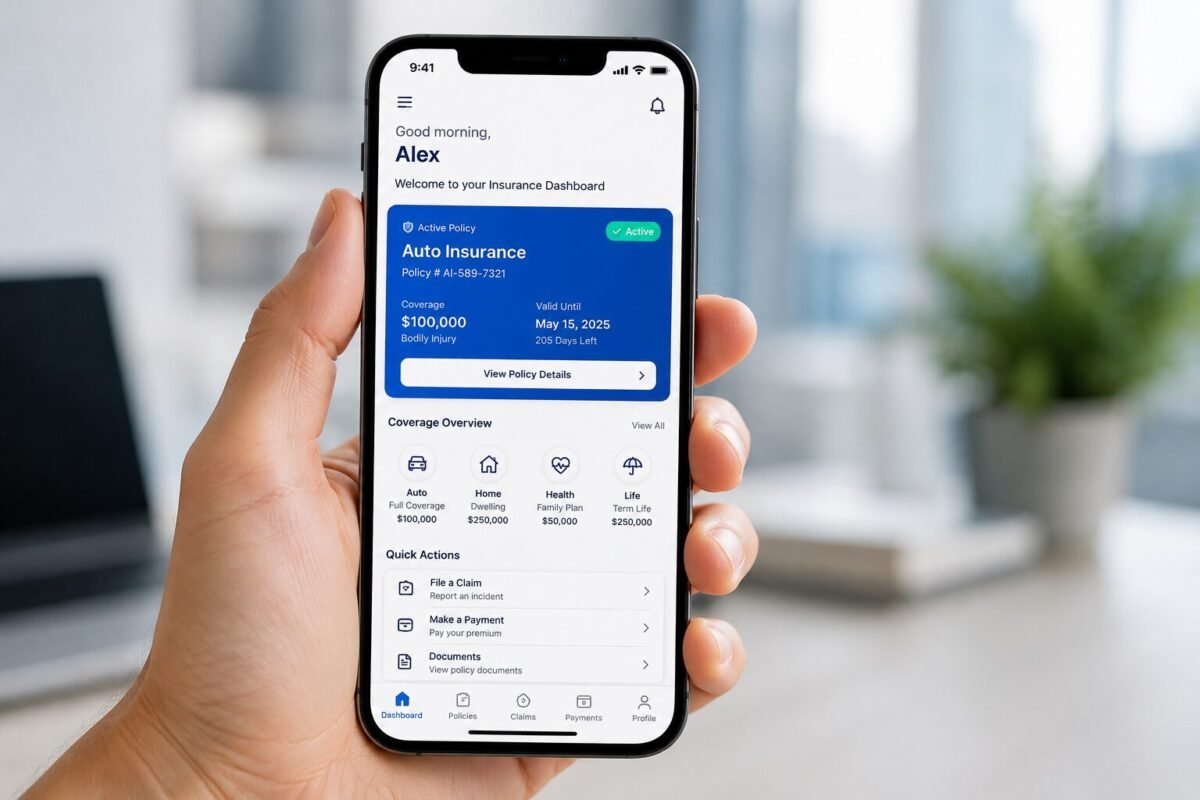
Once you’re covered, the Next Insurance app lets you view your policy details, add additional insureds (like a client requiring proof of insurance), update your coverage, and file a claim. The additional insured feature deserves a special mention — adding someone typically takes under two minutes and sends them a digital COI automatically. For contractors who constantly need to show proof to new clients, this alone is worth the price of admission.
Next Insurance Pricing — What Will You Actually Pay?
Price is where Next Insurance tends to win the most converts — and also where some customers feel misled. Quoted rates look attractive upfront, but the actual premium depends heavily on your profession, revenue, location, and coverage limits.
Average Cost by Profession and Policy Type
According to NAIC industry data, small business general liability premiums average around $500–$1,000 per year across the U.S. Next Insurance frequently undercuts this range. Here are realistic estimates:
- Personal trainers: ~$11–$25/month for general liability
- Cleaning services: ~$25–$50/month
- Electricians: ~$50–$90/month
- General contractors: ~$60–$120/month
- Photographers: ~$15–$35/month
Factors That Affect Your Premium
Your quote will fluctuate based on annual revenue (higher revenue = higher risk = higher premium), number of employees, state of operation, prior claims history, and chosen coverage limits. A sole proprietor photographer in Arizona paying $18/month and a two-person photography studio in New York could easily pay $60/month — same profession, very different risk profile. Always compare your quote against competitors before clicking “buy.”
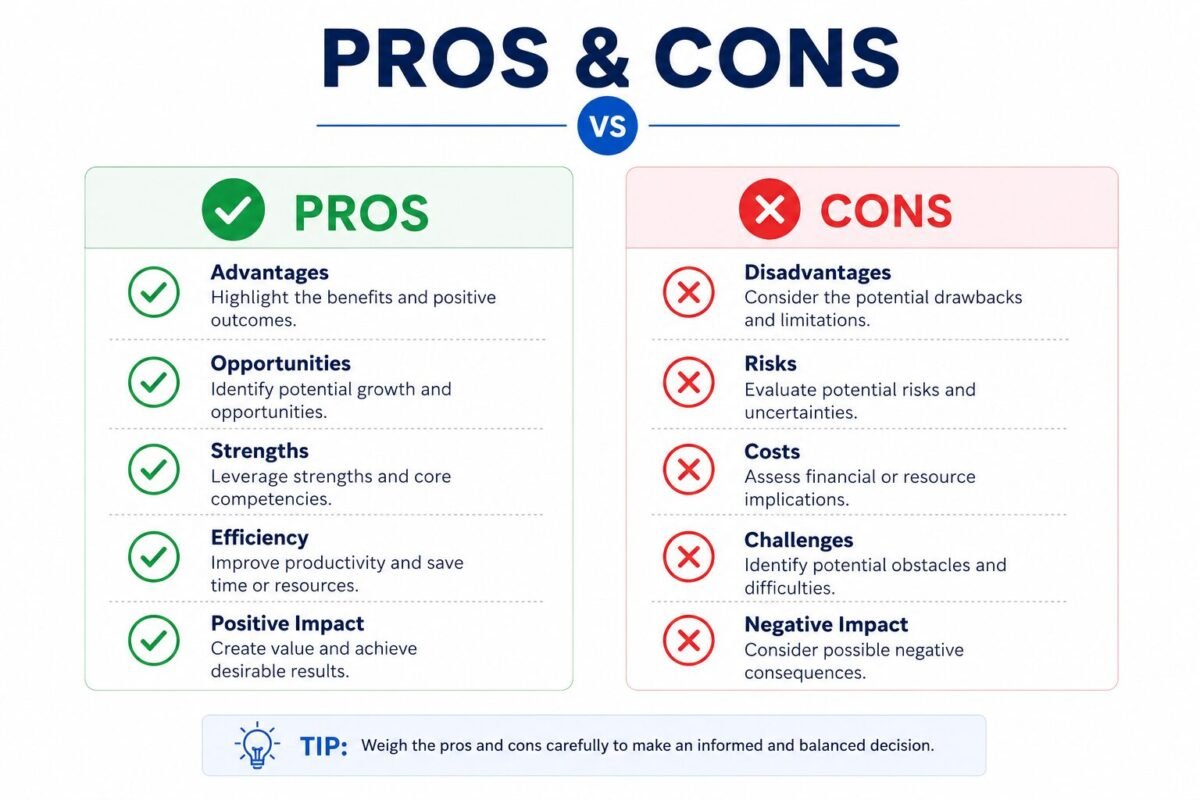
Next Insurance Pros and Cons
No insurer is perfect. After digging through hundreds of user reviews and analyzing the policy terms, here’s a clear-eyed breakdown of what Next Insurance does well and where it genuinely struggles.
Pros
- 100% online — no agents, no paperwork
- Instant certificate of insurance in minutes
- Competitive pricing for low-to-medium risk professions
- Mobile app with clean, easy-to-use interface
- A+ BBB rating and Munich Re backing
- Monthly billing with no long-term lock-in
- Multi-policy bundling discounts
Cons
- No phone-based agents — hard if you need nuanced guidance
- Limited coverage for high-risk or large businesses
- Claims process can be slow — mostly chatbot-driven initially
- Not available in all professions or states
- Customer service reviews are inconsistent
- Coverage limits may not satisfy larger commercial clients
Next Insurance Customer Reviews — What Real Users Are Saying
Reading platform-curated testimonials tells you almost nothing. The real signal is in third-party review platforms. Here’s what the data actually shows as of mid-2026.
Positive Feedback Themes
On Trustpilot, Next Insurance holds a score of around 4.2 out of 5, with the most frequent praise centered on three things: speed of getting covered, ease of generating COIs, and pricing for low-risk professions. A personal trainer in Texas left a review stating she was covered in eight minutes after searching for insurance for the first time. That kind of story repeats constantly in the positive reviews — it’s not a fluke, it’s the product working as designed.
Common Complaints and Red Flags
The negative reviews cluster around one area: claims handling. Multiple customers report feeling frustrated when an actual claim is filed — the transition from slick digital onboarding to real-world claims adjudication reveals the seams. Some users report weeks-long delays in acknowledgment and heavy reliance on chatbot triage before a human adjuster gets involved. According to a Forbes Advisor analysis of digital insurers, this is a pattern across most insurtech platforms, not unique to Next Insurance — but it’s worth knowing before you commit. If you’re still wondering whether to trust the platform, check our take on is Next Insurance trustworthy?
Real-World Scenarios: Success vs. Failure
Numbers and ratings only tell half the story. Here are two detailed cases that show exactly what working with Next Insurance looks like when it matters most.
Success Story
Case 1: The Cleaning Company That Got Covered in 6 Minutes
Maria runs a three-person residential cleaning service in Phoenix, Arizona. A potential commercial client required her to show a $1M general liability policy and add them as an additional insured before she could bid on a $40,000/year contract. Her previous insurer took 3 business days to process COI requests. She switched to Next Insurance, got covered in 6 minutes for $34/month, and added the commercial client as an additional insured on the app in under 90 seconds. She won the contract. Net gain from switching insurers: roughly $38,000 in new annual revenue, made possible by a $408/year insurance policy.
💡 Key Lesson: For professions requiring frequent COI issuance, Next Insurance’s speed is a genuine competitive advantage — not just a marketing claim.
Failure Case
Case 2: The Contractor Whose Claim Took 11 Weeks
James, a handyman in Florida, had tools worth $3,200 stolen from his van. He had a Next Insurance tools and equipment policy with a $500 deductible. He filed the claim online, uploaded the police report and receipts, and received an auto-confirmation. What followed was 11 weeks of back-and-forth — first with a chatbot, then with an adjuster via email, then a request for a secondary proof-of-purchase he no longer had. The claim was eventually settled for $2,100 — below his actual replacement cost — and he canceled his policy upon renewal. His total loss: $1,600 in undercompensated tools plus 11 weeks of operational disruption.
💡 Key Lesson: Keep receipts and photos of all business equipment from day one. Digital insurers’ claims processes are improving, but they’re not bulletproof. Always document everything before a loss occurs.
Next Insurance vs. Competitors — How Does It Stack Up?
Context matters. A next insurance review without a competitor comparison is just a brochure. Here’s how Next Insurance measures up against the three most commonly compared alternatives.
Comparison Table: Next Insurance vs. Top Competitors
| Feature | Next Insurance | Hiscox | Thimble | Simply Business |
|---|---|---|---|---|
| Online Quote Time | ~5 min | ~10 min | ~3 min | ~15 min (comparison) |
| Instant COI | ✅ Yes | ✅ Yes | ✅ Yes | Varies by carrier |
| Starting GL Price | From $11/mo | From $22/mo | From $17/mo | From $25/mo |
| Phone Support | Limited | ✅ Full | ❌ No | ✅ Full |
| Short-Term Policies | ❌ No | ❌ No | ✅ Yes (hourly/daily) | ❌ No |
| BBB Rating | A+ | A+ | Not rated | A+ |
Which Platform Is Best for Your Business Type?
If you want the fastest COI and lowest starting price for a standard annual policy, Next Insurance wins. If you need phone-based agent support for complex coverage questions, Hiscox is the better call. If you only need coverage for a single event or a few days of work, Thimble’s on-demand model is unmatched. You can see how it compares to Hiscox in our full side-by-side, or check the Next Insurance vs Simply Business breakdown for marketplace vs. direct comparisons.
Who Should (and Shouldn’t) Use Next Insurance?
The harsh reality we found after reviewing dozens of customer profiles is this: Next Insurance is excellent for a specific type of business owner, and actively wrong for another. Getting this wrong costs money and leaves gaps in your coverage.
Best Fit: The Ideal Next Insurance Customer
You’re a great candidate for Next Insurance if you are a solo operator or have fewer than 10 employees, work in a low-to-medium risk profession (cleaning, photography, fitness, IT consulting, landscaping), frequently need to issue certificates of insurance to clients, prefer digital self-service over phone calls, and are on a tight budget but can’t operate without liability coverage. The platform was built for you, and it shows in the product design.
Not the Right Fit: When to Look Elsewhere
You should look at other carriers if your business generates over $1M in annual revenue, operates in a high-risk trade (roofing, demolition, hazmat), requires umbrella or excess liability coverage beyond $2M, or needs specialized coverage like cyber liability or Directors & Officers (D&O) insurance. Trying to force Next Insurance into a business profile it wasn’t designed for leads to exactly the kind of claims disputes James experienced in the case study above.
Frequently Asked Questions
Is Next Insurance legitimate and trustworthy?
Yes. Next Insurance is a real, licensed insurance company operating in all 50 states. It’s backed financially by Munich Re, one of the world’s largest and most established reinsurance firms. It holds an A+ rating from the Better Business Bureau and has paid out millions in legitimate claims since its founding. That said, “legitimate” and “perfect” aren’t the same thing. Claims handling in particular has received mixed reviews, which is why documentation is so important before you ever need to file. For a full trust analysis, check out our piece on is Next Insurance trustworthy?
How quickly can I get a certificate of insurance from Next Insurance?
Once your policy is active, you can generate and download a certificate of insurance in under two minutes through the Next Insurance app or website. You can also add additional insureds (a requirement from many commercial clients) directly in the app, and the COI is sent to them automatically. This is one of the strongest features of the platform and a major reason contractors and service providers choose Next over traditional carriers. Learn more about how to get your COI instantly on our dedicated guide.
Does Next Insurance cover self-employed individuals and sole proprietors?
Absolutely — this is actually the primary audience Next Insurance was built for. Sole proprietors, independent contractors, freelancers, and single-member LLCs are the platform’s core customer base. You don’t need employees to get covered. In fact, many of the most affordable pricing tiers on Next Insurance are specifically structured around single-person operations. A freelance graphic designer, a solo plumber, or a self-employed personal trainer can all get fully covered with a policy that makes financial sense for their revenue level.
What happens if I need to file a claim with Next Insurance?
Filing a claim starts entirely online — you submit details through the app or website, upload supporting documents (police reports, photos, receipts), and receive a confirmation. From there, a claims adjuster is assigned and will typically reach out within 1 to 3 business days. The timeline from filing to resolution varies widely: minor property claims can settle in 2 to 3 weeks, while more complex liability claims can take significantly longer. The most important thing you can do is document everything thoroughly before submitting. Incomplete documentation is the number-one reason claims get delayed or disputed.
Final Verdict: Is Next Insurance Worth It?
After completing this next insurance review, the answer is a qualified yes — with an asterisk. For solo operators and small business owners who prioritize speed, affordability, and digital convenience, Next Insurance delivers on its promises better than almost any traditional carrier at the same price point. The instant COI alone is worth it for contractors who constantly need to prove coverage to clients.
But it’s not bulletproof. If claims handling is your biggest concern — and for many business owners it should be — the track record is mixed enough that you should go in with eyes open, keep meticulous documentation, and consider whether a carrier with full phone-agent support might be worth the slightly higher premium for your specific situation.
Ready to go deeper? Read the complete Next Insurance guide for a full breakdown of every policy type, or get a quote directly from Next Insurance to see what your business would actually pay.





Leave a Reply