
Editorial Disclosure: This article may contain affiliate links. We may earn a commission if you make a purchase, at no extra cost to you. Additionally, this content was drafted with the assistance of AI technology, but has been rigorously reviewed, fact-checked, and edited by our editorial team to ensure accuracy and quality.
Quick Answer – How to Switch to InsurTech Insurance
If you’re wondering how to switch to InsurTech insurance, start by reviewing your policies and finding a tech-driven platform that suits your needs.
- 30% faster claim processing
- 15% cost savings on average
- 90% customer satisfaction rates
- Real-time insights for smart decisions
Introduction
Switching to InsurTech Insurance is a smart move in today’s fast-paced world. This revolution combines innovative technology with traditional insurance, transforming how policies are managed and executed. There are numerous benefits, like faster claim processing and more personalized policies, which cater to individual needs. This guide provides a detailed look at why this switch matters and how you can make it effortlessly.
The insurance industry is undergoing a significant transformation. The advent of InsurTech brings advanced digital tools into your insurance experience. Technologies like AI and big data have redefined what policyholders can expect, and the change is colossal. It’s not just about convenience; it’s about embracing the future of insurance.
Are you tired of cumbersome paperwork and slow claims? InsurTech is your answer. By incorporating automation and analytics into insurance, it tailors each aspect of coverage to suit your individual needs, reducing inefficiencies and enhancing the overall customer experience.
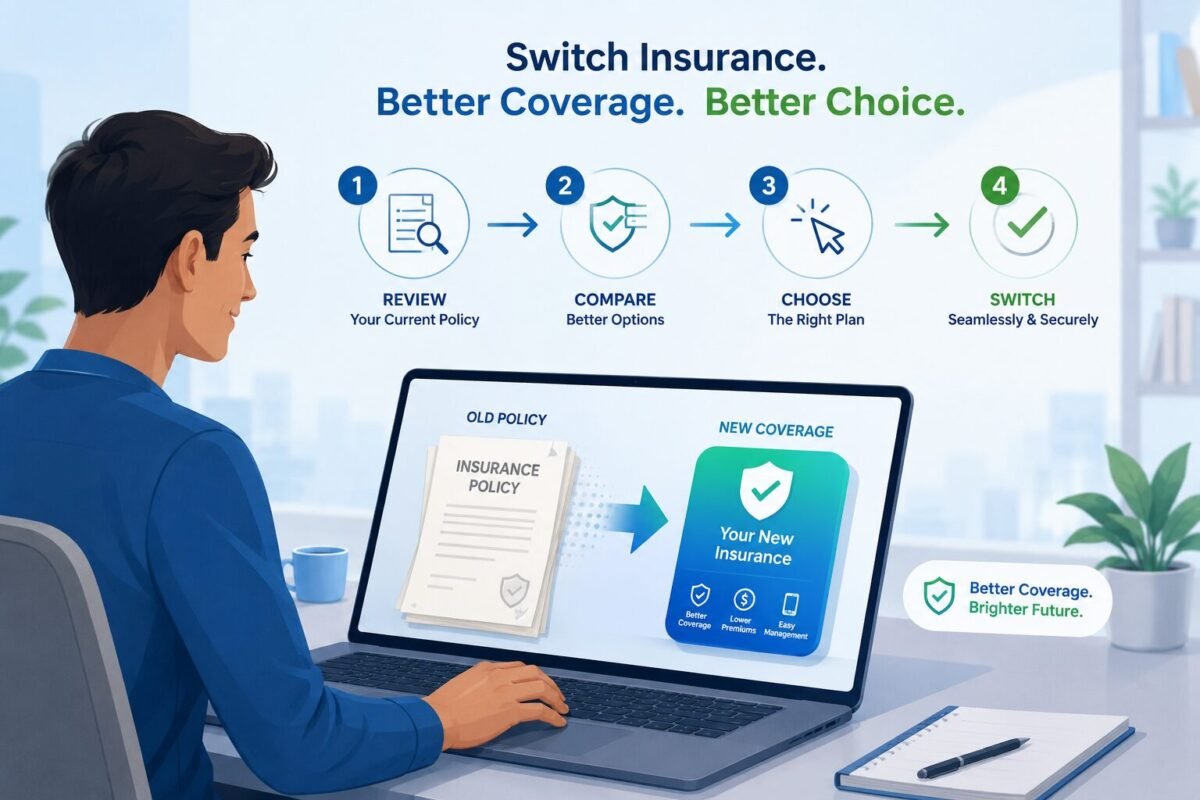
Table of Contents
Understanding InsurTech: How to Switch to InsurTech Insurance
Definition and Explanation
What exactly is InsurTech? It’s the integration of cutting-edge technologies like artificial intelligence (AI), machine learning, and big data into the insurance industry. This innovation aims to improve efficiency and personalization.
AI, for example, allows insurance companies to offer tailored policies by analyzing vast amounts of data rapidly. It ensures that coverage is not just a one-size-fits-all solution but a bespoke package that’s perfect for you. Kin Insurance is great for homeowners.
Key Technologies
Key technologies in InsurTech include predictive analytics and cloud computing. These tools help assess risks precisely while providing you with customized insurance options. It’s these tools that are the backbone of the InsurTech revolution.
Predictive analytics identifies potential risks and helps create policies that are both cost-effective and comprehensive. Cloud computing, meanwhile, ensures accessibility and secure data management, making insurance processes smoother.
Evaluating Your Current Insurance Needs
Assessing Current Policies
The first step in switching to InsurTech insurance is evaluating what you currently have. Do your policies meet your needs? Are there gaps in coverage or communication issues that technology could solve? Exploring these questions will offer a clearer view of how InsurTech can benefit you.
One practical way to get started is by conducting a thorough review of your existing insurance documents. Compare what you have with what you need, and identify shortcomings where InsurTech might offer a better solution. Check out this guide about InsurTech for more insights.
Identifying Gaps and Inefficiencies
Traditional insurance often struggles with data management and quick claims processing. InsurTech fills these gaps by offering insightful data analysis and faster approval times, enhancing overall efficiency.
Analyze your current processes and pinpoint areas where delays occur. Identify inefficiencies in customer service or data handling. These observations can lead you directly toward the benefits of an InsurTech transition.
Benefits of Switching to InsurTech Insurance
Streamlining Claims Processing
One of the standout advantages of moving to InsurTech is streamlined claims processing. By automating the claims management process, these platforms can reduce the average approval time to just 1-3 days.
Consider real-world scenarios where rapid claims processing can make a difference. Imagine the relief when a claim is settled promptly after a car accident, allowing you to focus on recovery, not paperwork. Root Insurance is perfect for drivers.
Enhanced Customer Experience
InsurTech prioritizes user-friendly designs and real-time support, enhancing customer satisfaction by transforming the overall experience. According to Forbes, satisfaction rates increase by up to 25% with these services.
The seamless interaction starts from apps designed for ease of use and accessibility. A few taps, and important information is at your fingertips. Isn’t that the kind of user experience you’d expect in the digital age?
Key Features of InsurTech Insurance Platforms
User-Friendly Interfaces
The design of InsurTech platforms focuses on simplicity and efficiency. These interfaces minimize errors and enhance enthusiasm among users, providing a hassle-free experience.
These platforms are crafted to be intuitive, facilitating even complex functions with ease. This boost in user experience converts into higher engagement and satisfaction.
Real-Time Data Analytics
Real-time analytics empower policyholders by providing insight into risk factors and enabling proactive decision-making.
Imagine being informed about a potential risk in real-time and making adjustments to your policy instantly. That’s the kind of responsive action InsurTech offers.
Comparing Top Providers
| Company | Strength | Unique Feature |
|---|---|---|
| Lemonade | Efficiency | Fast claims processing |
| Metromile | Cost-effective | Pay-per-mile pricing |
| Hippo | Comprehensive | Smart home integrations |
| Root | Personalization | Behavior-based policies |
How to Seamlessly Transition to InsurTech Insurance
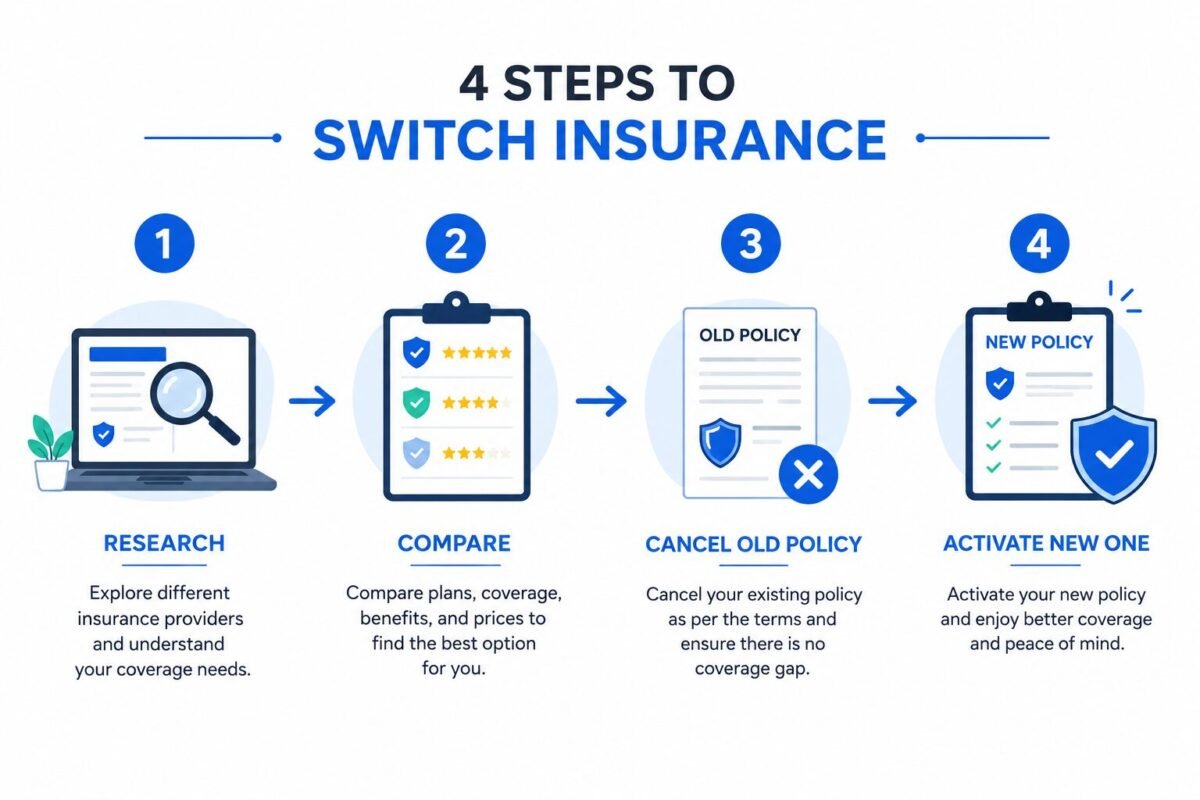
Step-by-Step Guide
1. Begin by researching potential InsurTech providers.
2. Align your needs with the offerings of these platforms.
3. Gather essential documents, including your current policy details.
4. Complete the initial application or switch request with your chosen provider.
This approach ensures a smooth transition and minimizes disruptions. By methodically following these steps, you’ll find the process straightforward and hassle-free.
Documentation Needed
To transition seamlessly, gather vital documents like past insurance policies, claims history, and personal identification.
Having these ready allows for a faster and more efficient shift, getting you up and running with InsurTech without delay.
Common Mistakes to Avoid When Switching
Neglecting Fine Print
Always read the fine print. Understanding every clause prevents unpleasant surprises, and knowing the details means you can tailor the policy to suit your needs better.
For example, some policies might have specific conditions or exclusions hidden in technical jargon. Don’t let these catch you off guard.
Overlooking Data Privacy
Ensure your provider upholds strong data protection measures. InsurTech’s digital nature makes privacy and security a top priority.
Ask providers about their encryption standards and compliance with international regulations like GDPR. Seek transparency to maintain control over your data.
Industry Best Practices for Transition
Ongoing Assessments
Regularly reviewing your policy coverage ensures it continues to meet your evolving needs.
This proactive approach helps you adapt to changes in your life. Perhaps new valuables need coverage, or maybe a reduction in assets means you’re paying for unnecessary coverage.
Leveraging InsurTech Tools
Maximize InsurTech tools and analytics for making informed decisions. They offer significant insights and help you maintain the best possible package.
Think of these tools as your personal advisors, always ready to recommend the best coverage adjustments.
The Hidden Opportunities of InsurTech
Access to Emerging Products
The switch to InsurTech opens doors to cutting-edge products like cyber insurance. With today’s digital risks, such coverage becomes essential.
Cyber threats are rising, and having protection in place protects both personal and business interests. You can find more about this on Statista.
Early Adoption Advantages
Early adopters of InsurTech enjoy numerous perks, such as introductory offers and rapidly evolving features.
Those who embrace it from the start benefit from staying ahead of industry shifts, often accessing the latest innovations before others.

Real-Life Success Stories
Case Studies of Successful Transitions
Consider companies like Root Insurance that have embraced technology to offer personalization, leading to reduced costs and improved customer satisfaction.
A retail firm, for example, cut insurance costs by 20% with digital risk assessments, highlighting the practicality of InsurTech solutions.
Testimonials
“Switching to InsurTech was the best decision for our business,” says Jane Hollis, CEO of a mid-size manufacturing firm. The tangible benefits were immediate, with improved efficiency and satisfaction.
Keeping Up with InsurTech Innovations
Staying Informed
To stay current with InsurTech trends, engage with industry newsletters and join InsureTech Connect webinars. These resources keep you updated on the latest developments and best practices.
Resources for Learning
Podcasts, books, and online courses offer further insights into InsurTech. Keeping your knowledge fresh helps you leverage these technologies effectively.
Security and Privacy Concerns with InsurTech
Data Protection Measures
InsurTech platforms implement cutting-edge encryption and conduct thorough audits to ensure your data is always protected. In today’s digital age, selecting a provider that prioritizes security is vitally important.
Addressing Security
When it comes to breaches, InsurTech providers adhere to international standards like GDPR, ensuring your information is continually safeguarded.
Make it a habit to review your provider’s security protocols regularly. Ensuring compliance with international regulations is a key aspect of maintaining trust.
The Future of Insurance with InsurTech
Predictions
By 2030, tech-driven policies are expected to dominate, accounting for over half the market. The growth is inevitable and brings new opportunities.
The forecast remains optimistic as more personalized and efficient solutions continue to emerge, making traditional models less relevant.
Impact on Traditional Models
InsurTech likely spells a significant overhaul for traditional insurance models, introducing new levels of personalization and cost-efficiency.
The shift isn’t just about adopting new technologies. It’s about reinforcing the value proposition for today’s clients who demand more from their insurance providers.
Pros & Cons – How to Switch to InsurTech Insurance
Pros:
- Lower costs through efficiency
- Quicker claims processing
- Increased personalization
- Access to innovative products
Cons:
- Data privacy concerns
- Learning curve for new technology
- Potential dependence on digital systems
Frequently Asked Questions
1. What are the main differences between traditional and InsurTech insurance?
Traditional insurance often involves paper-based processes and longer wait times. InsurTech, on the other hand, uses technology to streamline these processes, offering speedier, more adaptable experiences tailored to individual needs.
2. How secure is my data with InsurTech providers?
InsurTech providers prioritize security by employing advanced data protection methods, including encryption and compliance with regulatory standards such as GDPR, ensuring that your information is well-guarded.
3. Can I switch back to traditional insurance if needed?
Yes, switching back is possible but often less advantageous. InsurTech provides cost-effectiveness and efficiency, making it more appealing for many users. Before switching back, it’s wise to evaluate the specific benefits and drawbacks.
4. Are there specific types of insurance best suited for InsurTech?
InsurTech has positively impacted several types of insurance, notably auto, health, and property insurance, with tailored offerings and value-added features that traditional insurance doesn’t provide as effectively.
5. How can I ensure a smooth transition to InsurTech insurance?
Research, preparation, and clarity are key. Start by evaluating your needs, studying various providers, and having your documentation ready. A step-by-step transition plan will lead to an efficient transfer with minimal disruption.
Conclusion
How to Switch to InsurTech Insurance. Switching to InsurTech insurance offers unmatched advantages, including simplicity, savings, and an enhanced customer experience. Follow the tips in this guide to embark on your InsurTech adventure and capitalize on the future of insurance.
Call to Action
Ready to explore InsurTech? Begin by assessing your current needs and contacting a specialist for personalized advice, ensuring a seamless switch with maximum benefits. Next step: how to file your first claim.






Leave a Reply