
Editorial Disclosure: This article may contain affiliate links. We may earn a commission if you make a purchase, at no extra cost to you. Additionally, this content was drafted with the assistance of AI technology, but has been rigorously reviewed, fact-checked, and edited by our editorial team to ensure accuracy and quality.
Quick Verdict: Metromile vs Root (Which is Better in 2026?)
If you want the bottom line right now, here it is: these two apps target completely different types of drivers.
If you work from home or your car sits in the driveway most of the week (driving less than 10,000 miles a year), Metromile is the clear winner. You literally only pay for the miles you drive. On the flip side, if you have a daily commute, drive on highways frequently, and are highly confident in your “safe driving” habits (meaning no hard braking and smooth cornering), Root Insurance will likely beat traditional insurers by a landslide.
In short: Metromile is built for ‘Low Mileage,’ while Root is built for ‘Safe Drivers.’
Introduction – Metromile vs Root car insurance
Hey everyone! I’m Adnan from The Insurtech Guide. metromile vs root car insurance. Usage-based car insurance is a fantastic deal: let an app track your driving, prove you’re a safe driver, and get a cheaper premium. Companies like Root and Metromile have built their entire business on this model. But as I’ve used these apps, a critical question has always been on my mind: in our quest for savings, what are we giving up in terms of privacy?
These apps collect a massive amount of data on our most personal habits—where we go, how fast we drive, even when we touch our phones. So, I decided to do what most of us don’t: I sat down and waded through the dense privacy policies of both companies.
This isn’t just another feature comparison. This is a deep dive into the Root vs Metromile privacy debate. My goal is to help you understand exactly what you’re agreeing to, so you can make a decision that’s right not just for your wallet, but for your peace of mind too.

Table of Contents
Pricing & Rates: Which App Actually Saves You More?
Metromile vs Root car insurance. A lot of people assume both apps use the exact same telematics pricing model, but that’s a huge misconception. Having analyzed both structures, here is how they actually calculate your bill:
- Metromile’s Pay-Per-Mile Model: This is a highly transparent formula. You pay a low monthly ‘Base Rate’ (for example, $30/month) plus a ‘Per-Mile Rate’ (like 6 cents per mile). If your car doesn’t move on a Tuesday, your driving cost for that day is practically zero.
- Root’s Behavior-Based Model: Root doesn’t care about your total mileage; they care strictly about how you drive. When you download the app, you undergo a 2-to-3-week ‘Test Drive’ period. Your phone’s sensors track your speed, braking, and turning patterns. Pass the test, and Root offers a fixed monthly rate that is typically 30-40% cheaper than legacy carriers. However, if the app flags you as a risky driver, they might flat-out refuse to offer you a policy.
The Reality Check: If you regularly drive more than 1,000 miles a month, Metromile’s per-mile charges will quickly add up, making Root the much more economical choice for regular commuters.
| Feature / Factor | Metromile (by Lemonade) | Root Car Insurance |
| Best For… | WFH employees & Low-mileage drivers | Daily commuters & strictly safe drivers |
| Pricing Model | Pay-Per-Mile (Monthly Base + Per-Mile Rate) | Fixed Monthly (Based on app behavior score) |
| How Rates are Set | Depends on how much you drive | Depends on how safely you drive |
| The “Test Drive” | Not required (Plug in the device and go) | Required (2-3 weeks smartphone tracking) |
| Estimated Cost | ~$30/mo base + ~6¢/mile | ~$50 – $100+/month (varies by test score) |
| The Hidden Catch | Gets very expensive if you take road trips | They can deny coverage if you fail the test drive |
| App Store Rating | 4.7 / 5.0 (Excellent claims UI) | 4.6 / 5.0 (Smooth but sensitive tracking) |
Coverage Options & The Claims Experience
Cheap car insurance is useless if your claim gets stuck in limbo after an accident. While both companies offer all the standard coverages you’d expect (Bodily Injury, Collision, Comprehensive), their claims processes are heavily dependent on their mobile apps. You’ll be taking photos and submitting details directly through your phone rather than waiting for an adjuster to arrive at the scene.
- Metromile (now backed by Lemonade): Their tech stack is incredibly robust. Thanks to their AI-driven system, minor, clear-cut claims can sometimes be approved and paid out in seconds.
- Root: While the Root app boasts an incredibly smooth interface, industry forums and user feedback suggest that handling complex, multi-vehicle accidents can sometimes lead to delays when trying to reach a human adjuster.
If you prefer the traditional “phone-call support” from an old-school agent, both of these insurtechs might feel a bit too automated for your liking.
How Telematics Data Collection Works
Before we compare them, it’s essential to understand what “telematics data” is. Both Root and Metromile use sensors (either in your phone or a separate device) to track your driving behavior. This includes:
- GPS & Location: Where you drive, how often, and the routes you take.
- Driving Behavior: Your speed, how hard you brake, how sharp you turn, and the times of day you’re on the road.
- Phone Usage (Specifically for Root): How you interact with your phone while driving.
This data is the “secret sauce” they use to calculate your personalized rate. The more data they have, the more accurate their risk assessment is. Understanding this is the first step in any Root vs Metromile privacy analysis.
The Hidden Catch: Root vs Metromile Privacy Differences
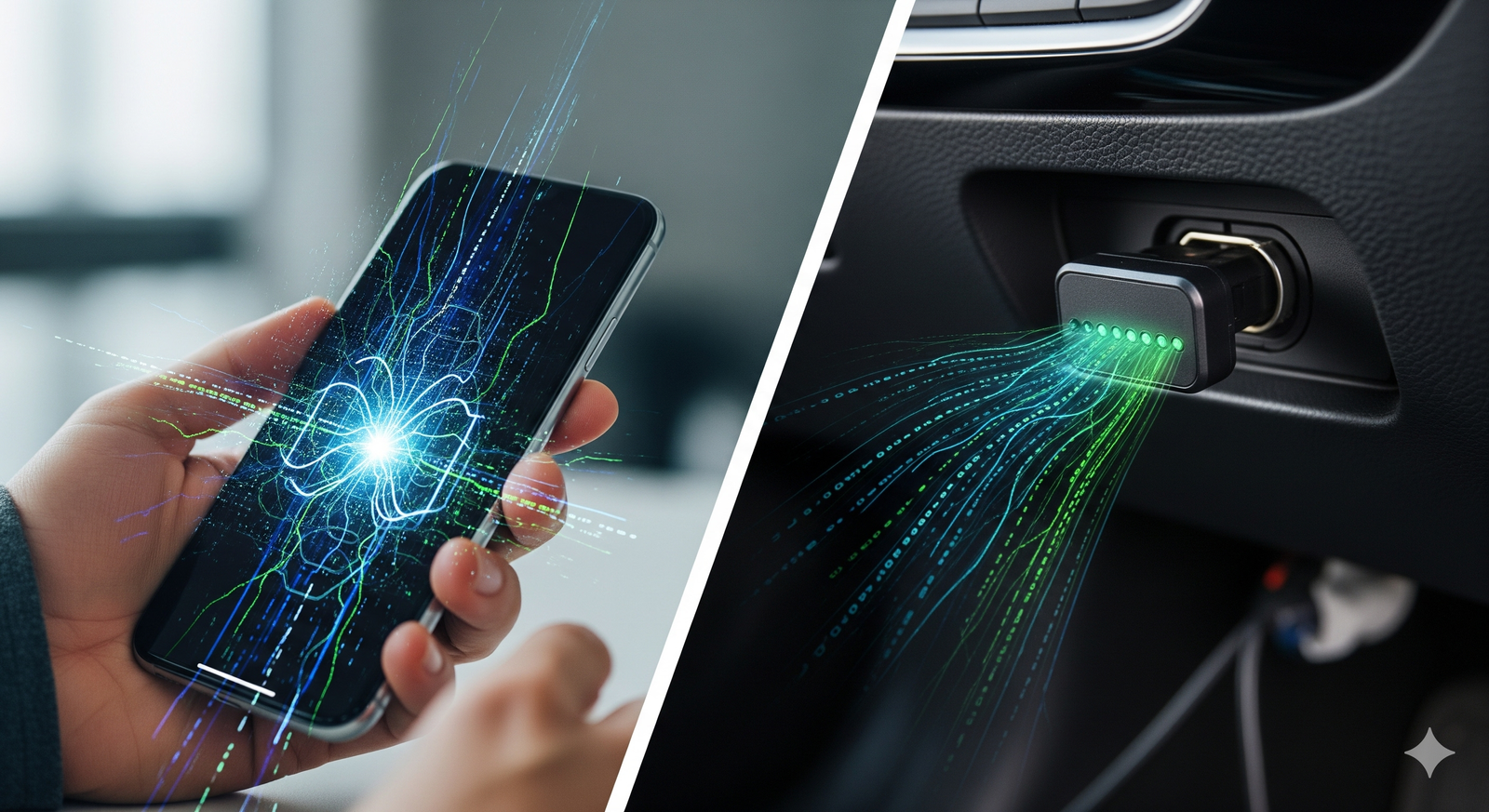
I analyzed both companies based on how they collect and use your data. The differences are significant.
Root Insurance: The Intensive “Test Drive”
Root’s entire model is based on an upfront “test drive” that lasts several weeks.
- Data Collection Method: Root uses the sensors in your smartphone to monitor you. This is the key difference. Because it’s your phone, the app can potentially access more data, including your interactions with the phone itself (like tapping or swiping) to determine if you’re driving distracted.
- What I Found in Their Policy: Their policy is clear that they collect a wide range of data during the test drive, including location, speed, braking, and phone handling. The most sensitive part for me was the monitoring of phone interaction.
- Privacy Takeaway: Root’s method is more invasive. The trade-off is that they promise to use this detailed data to give a very accurate rate based purely on your driving skill. You must prove you’re a good driver before they even offer you a policy.
Metromile: The Pay-Per-Mile Approach
Metromile’s focus is less on how you drive and more on how much you drive.
- Data Collection Method: Metromile primarily uses the Pulse device, a small gadget that plugs into your car’s OBD-II port. This device is focused on collecting data directly from your car, such as mileage, speed, and location. It’s less about your personal phone habits.
- What I Found in Their Policy: Their policy is centered on mileage and location for billing purposes. While they do collect data on driving habits like speed and braking, their main selling point is the pay-per-mile model, not judging your driving style as intensely as Root.
- Privacy Takeaway: Metromile’s approach feels less personal because it uses a dedicated car device instead of your phone’s sensors. For people who are uncomfortable with an app monitoring their phone usage, Metromile’s method offers a clearer boundary between their personal device and the insurance monitoring.
Final Verdict: Metromile vs Root car insurance
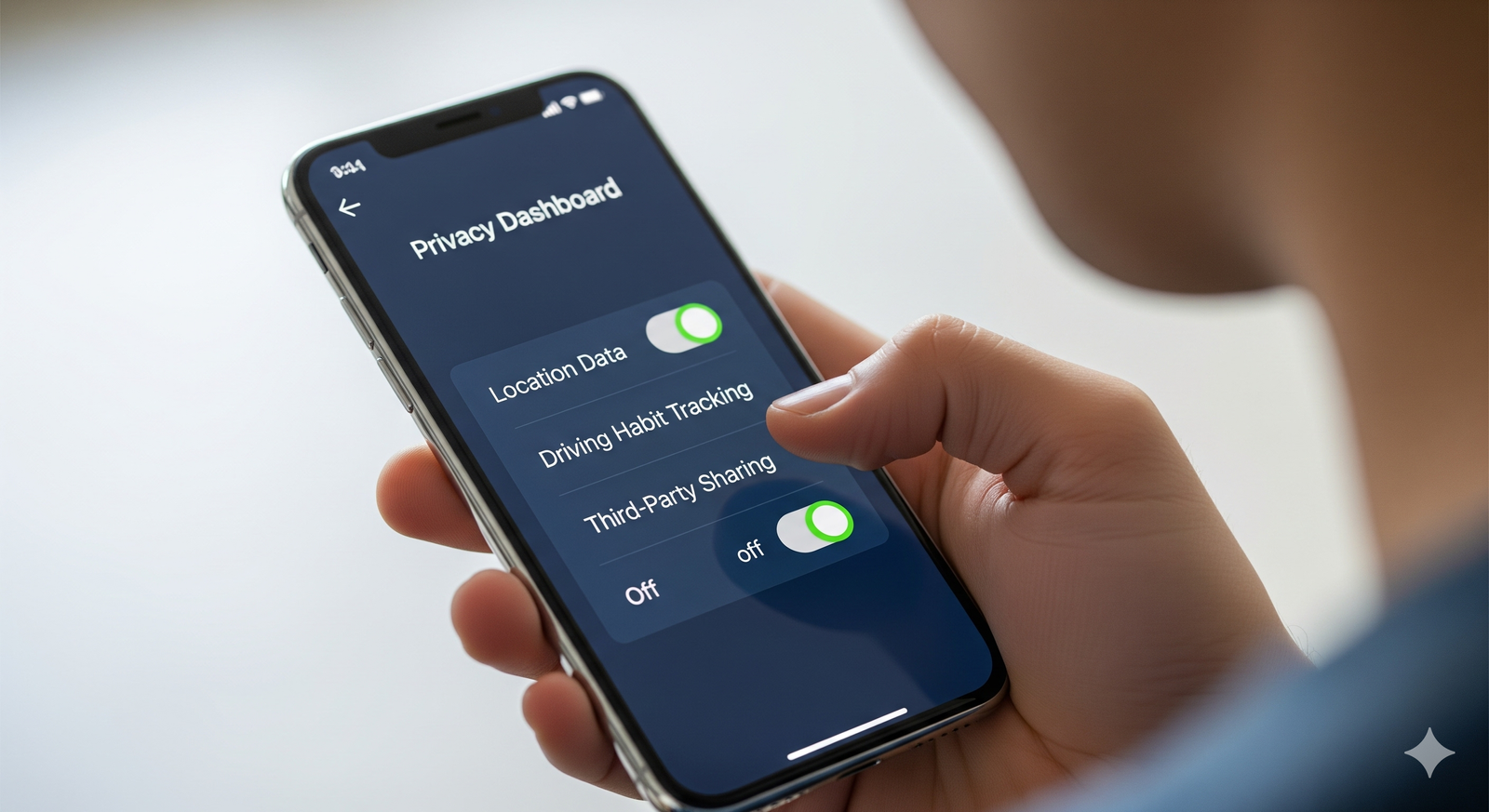
After this deep dive into the Root vs Metromile privacy policies, my conclusion is that Metromile offers a more privacy-conscious approach.
The primary reason is the method of data collection. By using a separate, car-based device (the Pulse), Metromile creates a distinct separation from your personal smartphone. Root, by relying on your phone’s sensors, collects more intimate data, specifically about your phone interactions while driving.
Here’s my recommendation:
- Choose Metromile if: Your main goal is to save money based on low mileage, and you prefer a clearer boundary between your personal phone and insurance tracking.
- Choose Root if: You are a supremely confident and safe driver, you are not concerned about phone usage monitoring, and your main goal is to get the biggest possible discount based on your excellent driving habits.
Ultimately, both companies are built on a data-for-discount trade. The right choice depends on which type of data you are more comfortable sharing.






Leave a Reply