
Editorial Disclosure: This article may contain affiliate links. We may earn a commission if you make a purchase, at no extra cost to you. Additionally, this content was drafted with the assistance of AI technology, but has been rigorously reviewed, fact-checked, and edited by our editorial team to ensure accuracy and quality.
Quick Answer
Kin Insurance is better for homeowners in high-risk states like Florida or Louisiana — it’s cheaper, faster, and covers hurricane damage where traditional insurers have pulled out. Traditional home insurance is better for low-risk states where you can bundle home and auto for bigger discounts. The right choice depends on your location and risk level.
Introduction
Last spring, my neighbor called me in a panic. A storm had ripped through our street, and while my side came out okay, her roof took a serious beating. What followed was a three-month nightmare — a traditional insurer that kept losing her paperwork, adjusters who showed up weeks late, and a payout that barely covered half the damage.
Kin Insurance vs Traditional Insurance. I watched the whole thing unfold from my front porch. And it got me thinking hard about my own policy.
Around the same time, I kept seeing ads for Kin Insurance popping up on my feeds. Digital-first. No agents. Uses satellite imagery to assess your home. It sounded almost too slick. So I did what I do — I went deep. Talked to people who’d switched, read through the actual policy documents, and honestly, I compared it against the two traditional policies I already had on file.
Here’s what I found out. No fluff, no insurance company sponsorship — just what I genuinely wish someone had told me before I signed anything.
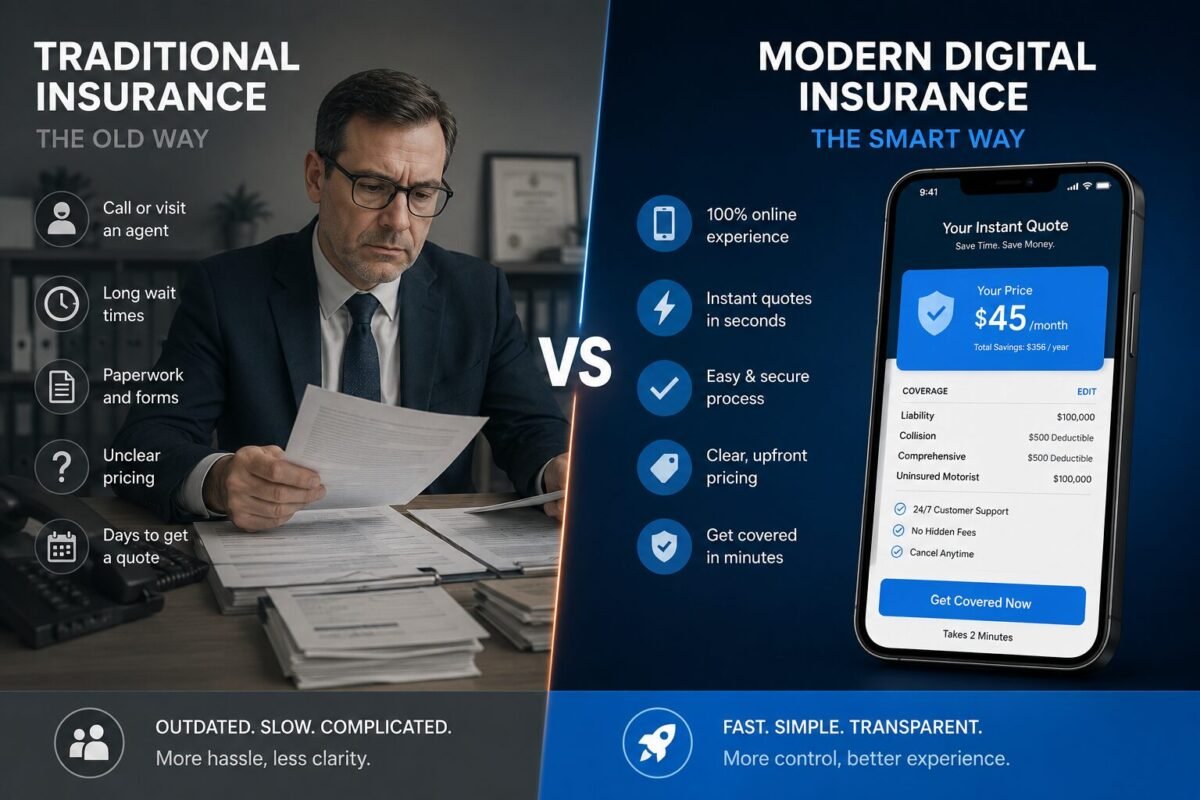
Table of Contents
First, Let’s Be Clear About What “Traditional” Even Means
When I say traditional home insurance, I mean companies like State Farm, Allstate, Liberty Mutual, Travelers — the ones your parents probably used. You call an agent, someone comes to your house (or used to), read our full Kin Insurance review, you fill out forms, and somewhere in the process you end up with a policy that has a deductible you’ll forget about until you really need it.
These companies have been around for 50 to 100+ years. They have physical offices, local agents, and a lot of red tape baked into their process.
Kin is different. It launched in 2016, works entirely online, and specifically targets homeowners in high-risk states — think Florida, Louisiana, South Carolina, California. Places where traditional insurers have been quietly pulling out or raising rates through the roof.
The Sign-Up Experience: Night and Day
I’ll be honest — the first time I got a quote from Kin, I was suspicious of how fast it was. Ready to make the switch?
You go to kin.com, type in your address, and within a few minutes you have a quote. No agent phone call. No home inspection. Kin pulls public data, permit records, and satellite imagery to build a picture of your property. It’s genuinely impressive from a tech standpoint.
Traditional insurers? I once spent 47 minutes on hold with a large national company just to update my mailing address. Getting an initial quote required scheduling an agent visit, waiting a week, then getting a PDF that looked like it was designed in 2003.
For someone who does everything on their phone, the Kin experience felt refreshingly modern. But here’s where I’d pump the brakes a little — faster doesn’t always mean more accurate. A few people I spoke to said Kin’s automated system initially undervalued their home’s rebuild cost because it couldn’t account for custom features or recent renovations. So if you’ve got a kitchen remodel or a custom addition, double-check those numbers before you confirm anything.
Coverage: What Are You Actually Paying For?
This is where things get nuanced, and where a lot of people make costly mistakes.
Kin covers the basics: dwelling coverage, personal property, liability, loss of use, and other structures. Pretty standard stuff. But it genuinely shines in how it handles high-risk perils. In Florida, for example, Kin offers standalone wind and hurricane coverage where most carriers won’t touch it anymore.
Traditional insurers typically offer broader coverage options — you can stack riders for jewelry, home office equipment, identity theft, water backup, and more. If you have a complex household situation (home-based business, expensive collections, multiple structures on your property), traditional insurers give you more customization room.
One thing I noticed: Kin’s policy documents are actually written in plain English. Sounds minor, but when I compared it to a traditional policy document I had — 58 pages, dense legal language, exclusions buried in appendices — the difference was massive. Being able to understand what you’re covered for is underrated.
Claims: The Moment of Truth
Everything else is just paperwork until you actually need to file a claim.
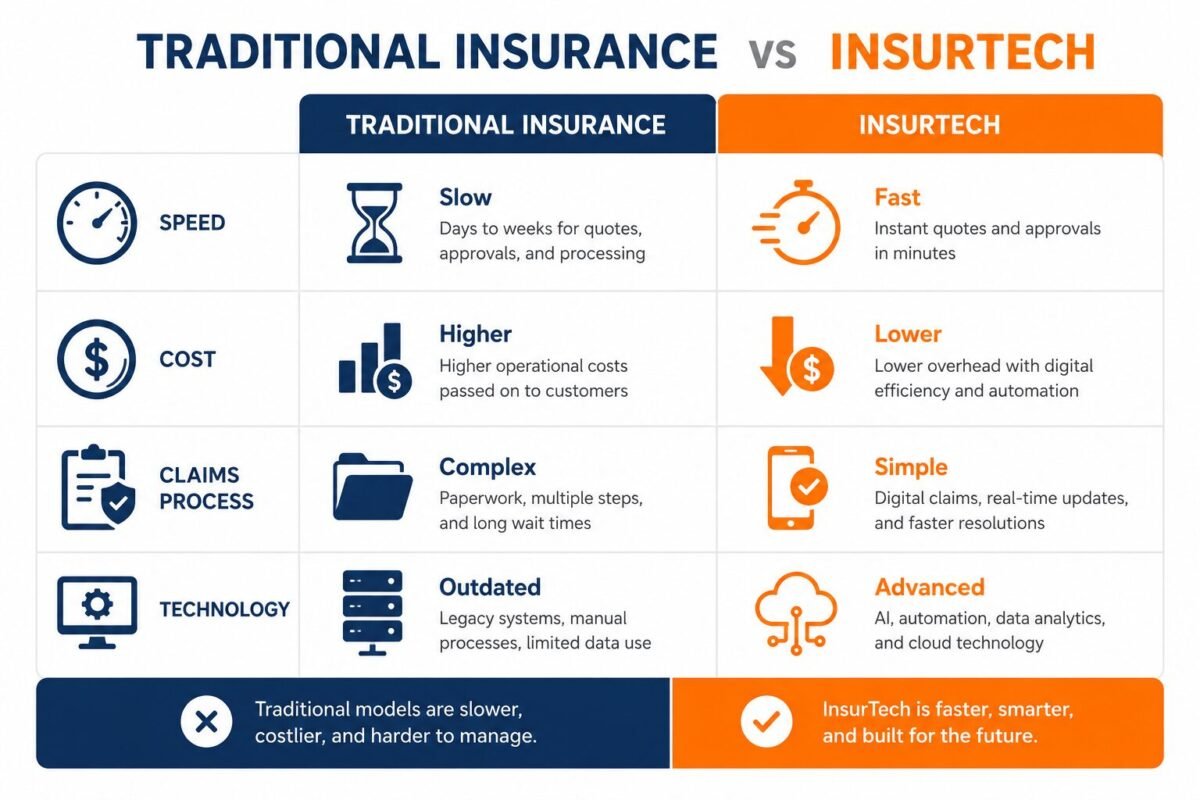
The story with my neighbor? Classic traditional insurer experience. First adjuster showed up two weeks after the storm. Second visit happened because the first report got “misrouted.” Final payout came at month three, and she had to fight for an extra $4,000 that was clearly within her coverage. Discover more InsurTech startups
Kin’s claims process is app-based. You submit photos and documentation through their platform, and their system uses AI-assisted damage assessment to speed things up. From what I’ve read and heard from actual users, initial responses happen significantly faster — we’re talking days rather than weeks in many cases.
That said — Kin is smaller. It doesn’t have the financial reserves of a State Farm, which has been paying claims since 1922. For very large claims (think total loss), you want to know your insurer can actually write that check. Kin is backed by reinsurance, but it’s still a fair question to ask.
Pricing: Who’s Actually Cheaper?
This one is complicated because it genuinely depends on where you live and what kind of risk your home carries.
In coastal Florida or Louisiana — where traditional insurers have been bailing — Kin can be dramatically cheaper. I’ve seen comparisons where homeowners saved $800 to $1,500 a year after switching. In those markets, you’re sometimes choosing between Kin and the state’s insurer of last resort, which is rarely a great deal.
In lower-risk states — Ohio, Colorado, Tennessee — traditional insurers are often still competitive, and you’ll have more carriers to shop between. Kin doesn’t operate in every state yet, either, so you may not even have the option depending on where you live.
The smart move: get quotes from both. Use Kin’s online tool alongside an independent broker who can pull quotes from multiple traditional carriers. Don’t assume one is automatically cheaper.
The Stuff Nobody Talks About
A few things I discovered that don’t make it into the typical comparison articles:
Kin uses a “Citizens offload” program in Florida — meaning if you’ve been stuck with Citizens Property Insurance (Florida’s state-backed insurer of last resort), Kin has specifically targeted that market. Premiums can be lower, but understand that Kin is a newer company navigating a genuinely difficult insurance market.
Traditional insurers offer bundling discounts that Kin currently can’t match. If you bundle your home and auto with State Farm or Allstate, you can sometimes shave 15–20% off both policies. That math sometimes flips the price comparison.
Kin’s customer service is phone and chat based — no local agent who knows your name and your house’s history. For some people, that’s perfectly fine. For others (especially older homeowners who want a human touchpoint), it’s a dealbreaker.

Mistakes People Make When Switching
I’ve seen a few patterns in people who switched and regretted it — or who stayed put and wished they hadn’t:
Mistake 1: Switching for price alone without reading coverage details. Someone I know switched to save $600 a year and discovered afterward that her new policy had a higher hurricane deductible. When a minor storm caused roof damage, her out-of-pocket shot up by $3,000. The savings evaporated instantly.
Mistake 2: Not accounting for rebuild cost inflation. Whether you’re with Kin or State Farm, make sure your dwelling coverage reflects current construction costs. Materials and labor have gone up sharply over the past few years. Many people are still insured for 2019 rebuild values.
Mistake 3: Assuming “digital-first” means less protection. This is the bias that kept some people from even looking at Kin. The policy itself isn’t weaker because there’s no agent handing you a folder. Read the actual coverage terms — that’s what protects you, not the office on Main Street.
Mistake 4: Not checking financial ratings. Before you commit to any insurer, look up their AM Best rating. It measures financial stability — whether they can pay claims when things get really bad. Established traditional carriers often have A+ ratings accumulated over decades. Newer companies may have lower ratings, not because they’re bad, but because they haven’t had as long to build that track record.
So Which One Should You Actually Go With?
Here’s my honest take after all of this:
Go with Kin if:
- You’re in a high-risk state (Florida, Louisiana, South Carolina, California)
- Traditional insurers are either unavailable or pricing you out
- You’re comfortable managing your policy entirely online
- You want a faster, more transparent claims experience
Stick with traditional insurance if:
- You’re in a low-to-moderate risk state with competitive carrier options
- You want to bundle home and auto for discounts
- You have a complex property or high-value personal items that need custom riders
- You want a local agent relationship and prefer phone-first support
And honestly? The worst thing you can do is be passive about it. Whether you’re Team Kin or Team State Farm, sitting on a policy you haven’t reviewed in three years and assuming you’re covered is how people end up in my neighbor’s situation — standing in their damaged house, arguing with an adjuster over paperwork.
Pull out your current policy this weekend. Look at your rebuild cost. Check what your deductible actually is for wind or hurricane damage. And then, yeah, run a Kin quote just to see. It takes five minutes and might surprise you.
That’s the most valuable thing I can tell you. The best insurance policy isn’t the flashiest or the cheapest — it’s the one you actually understand. Learn how to file a claim with InsurTech.
Got questions about comparing quotes or what to look for in your current policy? Drop them in the comments — I check regularly and this stuff is genuinely worth talking about.





Leave a Reply