
Editorial Disclosure: This article may contain affiliate links. We may earn a commission if you make a purchase, at no extra cost to you. Additionally, this content was drafted with the assistance of AI technology, but has been rigorously reviewed, fact-checked, and edited by our editorial team to ensure accuracy and quality.
Quick Answer
Leveraging the benefits of CRM for insurance agencies can significantly enhance performance. Here’s why:
- Customer Retention: Personalized services can boost retention by up to 30%.
- Operational Efficiency: Automation can halve manual tasks, increasing efficiency by 50%.
- Sales Growth: Targeted lead conversion can rise by 20%.
- Data Insights: Crucial for informed decision-making and overall growth.
Introduction
Today, understanding the benefits of CRM for insurance agencies is essential for thriving in a competitive market. In this article, we’ll explore how CRM systems are not just add-ons, but crucial tools that redefine agency operations. They streamline customer engagement and operational tasks, empowering agencies to achieve significant success and maintain an edge over the competition. Whether you’re looking to enhance customer relationships, boost efficiency, or make informed decisions, CRM systems offer a comprehensive solution.
Here’s the thing, CRM isn’t just a trendy buzzword—it’s a game-changing catalyst for growth. In my years of analyzing insurtech tools, I’ve seen firsthand how CRM systems can elevate agency performance when rightly utilized. Let’s dive into this transformation.

Table of Contents
Enhancing Customer Relationships
CRM systems give agencies the power to personalize communications. This isn’t just about sending birthday emails; it’s utilizing detailed customer histories to tailor interactions effectively. Take State Farm, for instance, which uses CRM to anticipate customer needs and offer tailored products, which significantly drives satisfaction. What most people overlook is how personalization builds trust and loyalty. The secret? It’s all in the data.
By tracking every client touchpoint, agencies better understand their customers, predicting needs before they arise. This makes clients feel valued, which naturally enhances retention rates. Want to see a return on investment? Start here.
Real-world data shows that personalized interactions can lead to a 30% increase in customer retention. Customers stick around for experiences, not just services. If you’ve not yet considered CRM’s role in shaping client relationships, you’re missing out.
Ultimately, personalized experiences reduce churn. Agencies focusing on tailored approaches can significantly outperform competitors sticking with generic templates. In this way, CRM isn’t just a tool—it’s a strategic advantage.
Streamlining Business Operations
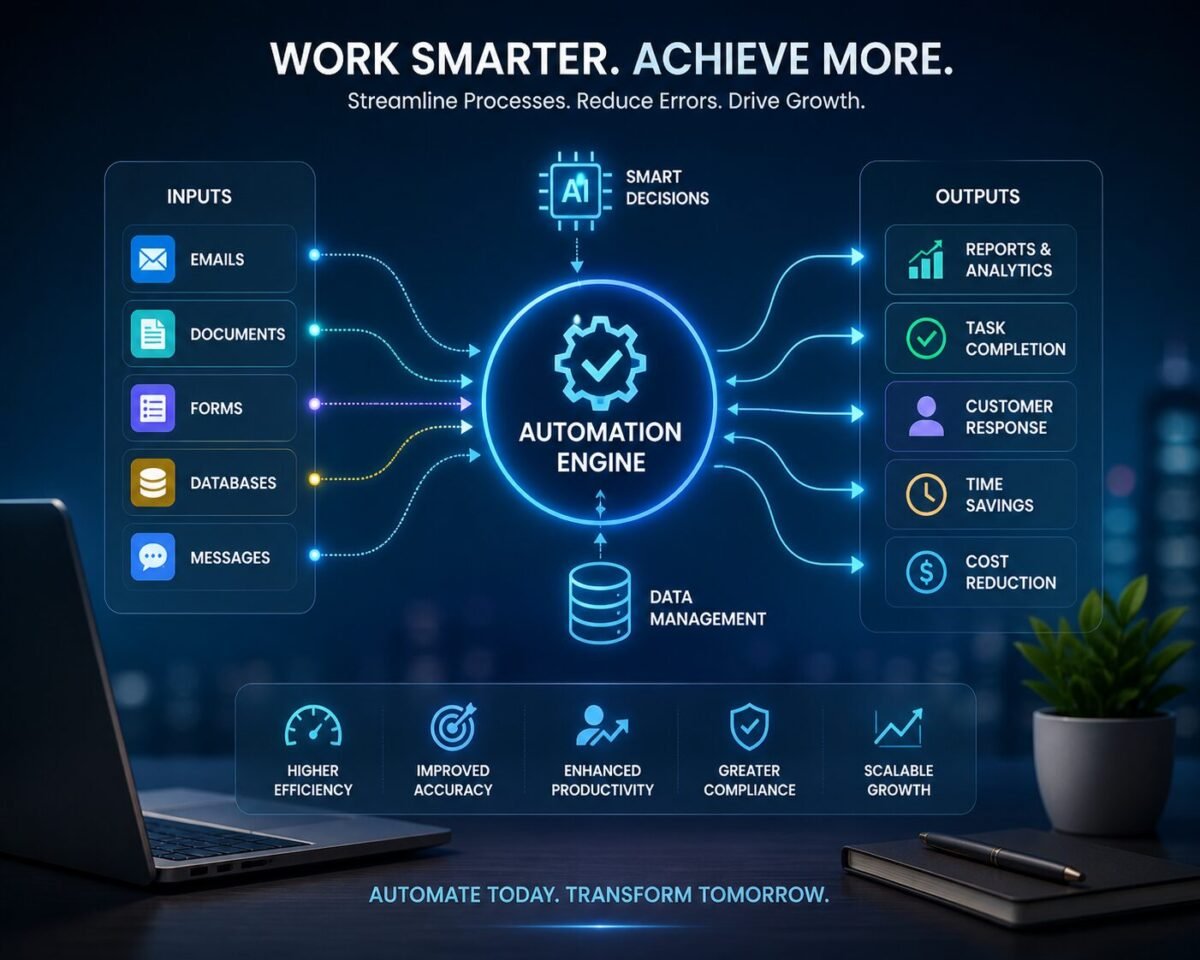
Efficiency is king in the insurance world. CRM systems help agencies streamline operations by automating routine tasks. Liberty Mutual demonstrates this efficiency by automating claims processes, freeing their teams to focus on strategy rather than paperwork drudgery. The result? Employees work smarter, not harder.
Automation reduces the time spent on mundane tasks, enabling teams to prioritize critical issues. It’s not just about saving time; it’s about optimizing human resources. Imagine reducing manual tasks by 50%—that’s a significant operational advantage!
The real magic happens when automation aligns with other systems. CRM platforms offer integration capabilities that ensure all tools work in harmony. This cohesion is crucial for seamless operations and reduces errors significantly.
Here’s a thought: without CRM, many agencies might be wasting manpower on routine tasks. Why not allow technology to handle what it does best, so your team can focus on growth-driven activities?
Data-Driven Decision Making
Informed decision-making is at the heart of agency success. CRM systems offer deep insights into customer behavior, enabling predictive analytics that can transform policy sales. For instance, leveraging predictive analytics, some agencies report up to a 37% increase in sales.
It’s about understanding the narrative behind the numbers. Data doesn’t lie, and with CRM, agencies can interpret this data to create actionable strategies and avert potential pitfalls before they occur.
Let’s be honest: without data, strategies are just guesses. With solid analytics, agencies can identify trends, predict market shifts, and adjust their approaches accordingly. The result? Consistent growth and improved financial outcomes.
But here’s a catch: data is only powerful if used correctly. Many agencies fall into the trap of collecting data but failing to leverage it effectively. Ensuring your team understands and harnesses CRM insights is a must.
Boosting Sales and Marketing
CRM systems are indispensable for boosting sales strategies. By enabling targeted marketing campaigns, agencies can refine lead management processes. Progressive Insurance exemplifies this by increasing conversion rates by 20% using CRM insights.
Campaigns tailored to customer preferences and behavior data result in a higher return on investment. Marketing becomes more science than art—no more throwing darts in the dark hoping they stick.
Furthermore, CRM tools facilitate smarter lead tracking and nurturing. Agencies can segment leads based on interests and engagement levels, delivering the right content at the right time. It’s precision marketing—and it works.
So, what’s the takeaway? CRM systems are vital for propelling your marketing efforts. Using them to finely tune your sales funnel isn’t just smart; it’s necessary in today’s fast-paced insurance landscape.
Pros & Cons
While the benefits of CRM for insurance agencies are plentiful, potential drawbacks exist. Initial deployment can be costly, and training staff on new systems requires investment and time. However, these upfront hurdles often pale in comparison to the long-term gains of increased efficiency and customer satisfaction.
There’s no denying that CRM systems elevate operations, but entering blindly can lead to challenges. Agencies must commit to proper setup and continual training to maximize the tool’s capabilities. Are the benefits worth it? Absolutely. If you’ve ever hesitated on CRM due to potential obstacles, consider this: the gains in customer engagement and operational efficiency far outweigh the initial learning curve.

FAQs
How does CRM enhance customer service in insurance agencies?
CRM systems track every client interaction, offering insurance agents a comprehensive view of customer preferences. By personalizing service and anticipating needs, agencies achieve greater customer satisfaction and retention. It’s a proactive versus reactive approach.
What are the cost implications of CRM for small insurance agencies?
Initially, CRM systems may seem costly, especially for smaller agencies. However, they yield higher efficiency and sales over time, often offsetting the initial investment. Think long-term gains rather than immediate profits.
How does CRM improve compliance and risk management?
CRM tools help track regulatory compliance and maintain accurate records. They minimize the risk of regulatory violations by ensuring all necessary documentation is up-to-date and easily accessible. In short, CRMs reduce risks and safeguard against potential fines.
Can CRM systems integrate with existing tools and platforms?
Yes, most CRM systems are designed for seamless integration with current platforms. This ensures smooth transitions and ongoing operations without significant disruption, making them adaptable to any agency’s existing infrastructure.
The Hidden Trap Most Agencies Fall Into
While many see the potential benefits, a common pitfall is failing to fully integrate CRM into everyday processes. Agencies often implement CRM without ensuring that all team members understand its full capacity, leading to underutilization.
In a rapidly evolving industry, staying competitive means not just acquiring but fully embracing CRM technology. Implementing CRM isn’t just about having the tools but using them wisely. Invest in continuous training and encourage a culture of adaptation.
From my perspective, it’s all about commitment. An agency’s success with CRM relies heavily on how comprehensively it’s adopted across the board. Make the most of what CRM offers, and the results will follow.
For more insights on CRM and insurtech strategies, explore our extensive resources at The InsurTech Guide. For further reading, visit Forbes for CRM best practices or check Statista for market trends.





Leave a Reply