
Editorial Disclosure: This article may contain affiliate links. We may earn a commission if you make a purchase, at no extra cost to you. Additionally, this content was drafted with the assistance of AI technology, but has been rigorously reviewed, fact-checked, and edited by our editorial team to ensure accuracy and quality.
Hey everyone! I’m Adnan from The Insurtech Guide. How to insure an e-bike, E-bikes and scooters are everywhere now. They’re a fun, eco-friendly, and affordable way to get around. I recently got an e-bike myself and absolutely love it. But as I was locking up my shiny new ride, which cost a significant amount, a worrying thought popped into my head: “Is this thing even insured?”
I initially assumed my renters insurance would cover it, but after some research, I discovered a confusing mess of conflicting information. Are e-bikes considered “bicycles” or “motorized vehicles”? The answer, I learned, dramatically changes how they are insured.
This led me down a rabbit hole to figure out the best way to protect my investment. In this guide, I’ll share what I learned about how to insure an e-bike and break down the two main options you have: a dedicated standalone e-bike insurance policy versus an add-on to your existing home or renters plan.
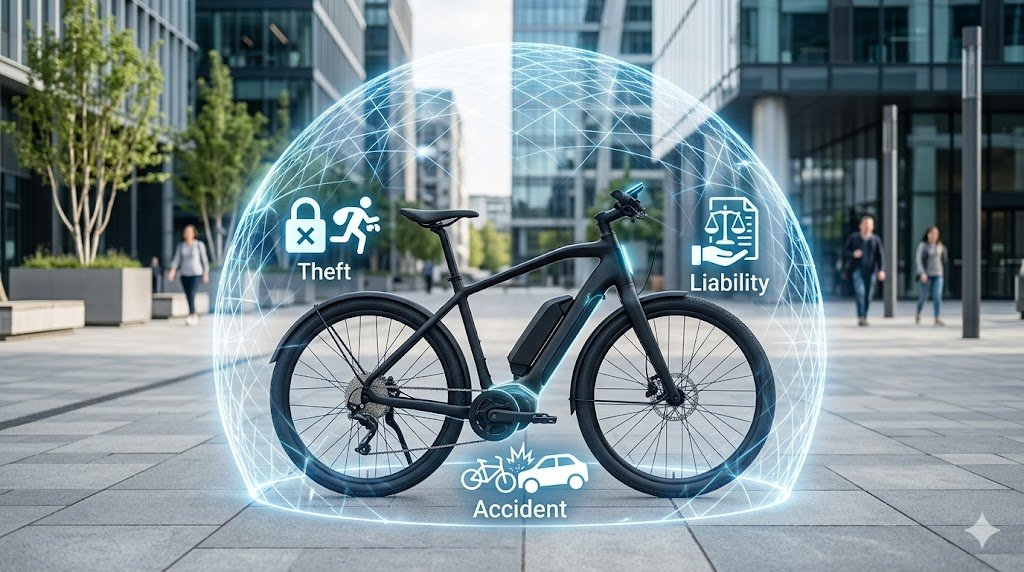
Table of Contents
First, Does Your Home or Renters Insurance Already Cover You?
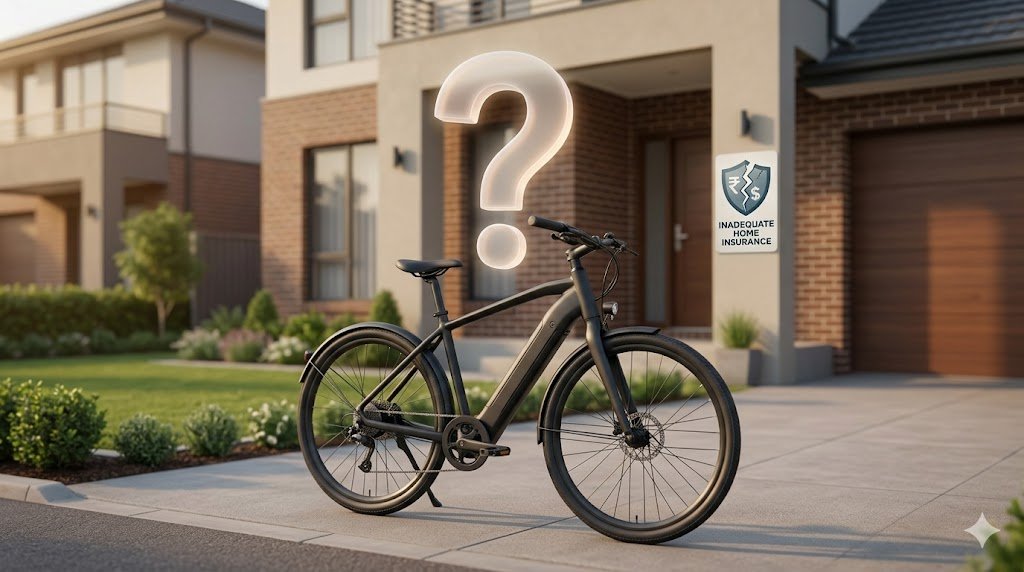
This is the first and most important question to answer. Here’s the hard truth: probably not very well.
While most home or renters insurance policies offer some coverage for personal belongings, many have specific exclusions for “motorized vehicles.” Because e-bikes have a motor, they often fall into a grey area.
From my experience, I found that even if a policy does cover an e-bike, it’s usually very limited:
- Low Payout Limits: A standard policy might only cover personal property up to a low limit, which is often not enough to cover the full value of an expensive e-bike.
- No “Away From Home” Theft Coverage: Your policy might cover theft from your garage, but not if it’s stolen while locked up outside a café.
- No Liability Coverage: This is the biggest risk. If you hit a pedestrian or scratch a car, your home insurance will likely not cover the damages you cause, as the incident involved a motorized vehicle.
This is why you need to consider a more robust solution.
Option 1: The Add-on Policy – An Easy Way for How to Insure an E-Bike?
The first specialized option is to add an endorsement or “rider” to your existing homeowners or renters insurance.
- How it works: You call your current insurance provider and ask them to add specific coverage for your e-bike. This essentially “adds on” better protection to your main policy.
- What it typically covers: This can increase the payout limit for your e-bike to its full value and might add theft protection for when you’re away from home.
- The Pros: It can be convenient to have everything with one provider.
- The Cons: As I discovered, not all companies offer this. Many still classify e-bikes as too risky for a simple add-on and may not provide crucial liability protection.
Option 2: The Standalone E-Bike Insurance Policy
This is a dedicated insurance policy created specifically for e-bikes and scooters, offered by specialized providers like Markel or Velosurance. This is the path I ultimately chose.
- How it works: You buy a completely separate policy, just like you would for a car or motorcycle.
- What it typically covers: This is where it truly shines. A standalone policy is comprehensive. The coverage options I found included:
- Full Value Theft Protection: Covers theft from anywhere, as long as it was properly locked.
- Accident Damage: Pays for repairs to your own e-bike if you get into a crash.
- Liability Coverage: Protects you financially if you injure someone or damage their property. This is essential.
- Medical Payments: Can help cover your own medical bills after an accident.
- Roadside Assistance: Some policies even offer a service to pick you and your e-bike up if it breaks down.
- The Pros: The coverage is comprehensive and specifically designed for the risks of riding an e-bike.
- The Cons: It means managing another policy and can be more expensive than a simple add-on.
Final Verdict: Which Option is Best?
After my deep dive, my conclusion is clear.
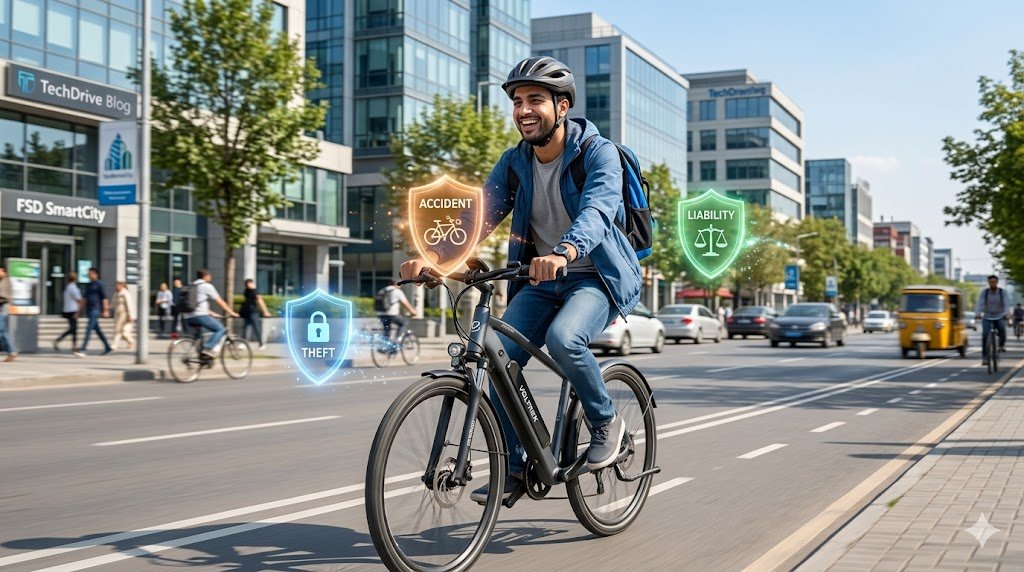
For any e-bike or scooter of significant value, a standalone insurance policy is the superior and safer choice.
While an add-on might seem easier, it often leaves dangerous gaps in your coverage, especially for liability. A standalone policy, though it requires a bit more effort, provides true peace of mind by covering the full range of risks you face as a rider. The cost, which can start at around $100 per year, is a small price to pay to protect both your investment and your financial future.






Leave a Reply