
Hey everyone! I’m Adnan from The Insurtech Guide. We’ve talked about how InsurTech is changing insurance with apps and AI. what is web3 insurance. But as I’ve been looking even further into the future, I’ve come across a concept that doesn’t just change the process—it changes the entire power structure. That concept is Web3 Insurance.
I know what you’re thinking: blockchain, crypto, DAOs… it all sounds incredibly complex. But the core idea is surprisingly simple and powerful. What if, instead of being controlled by a big corporation, your insurance was run by its members? What if claims were paid automatically and transparently based on code, not on a company’s decision?
This is the future that Web3 promises. In this guide, I’ll answer the big question, what is web3 insurance, and explain in simple terms how its key components, DAOs and smart contracts, are set to revolutionize the industry.
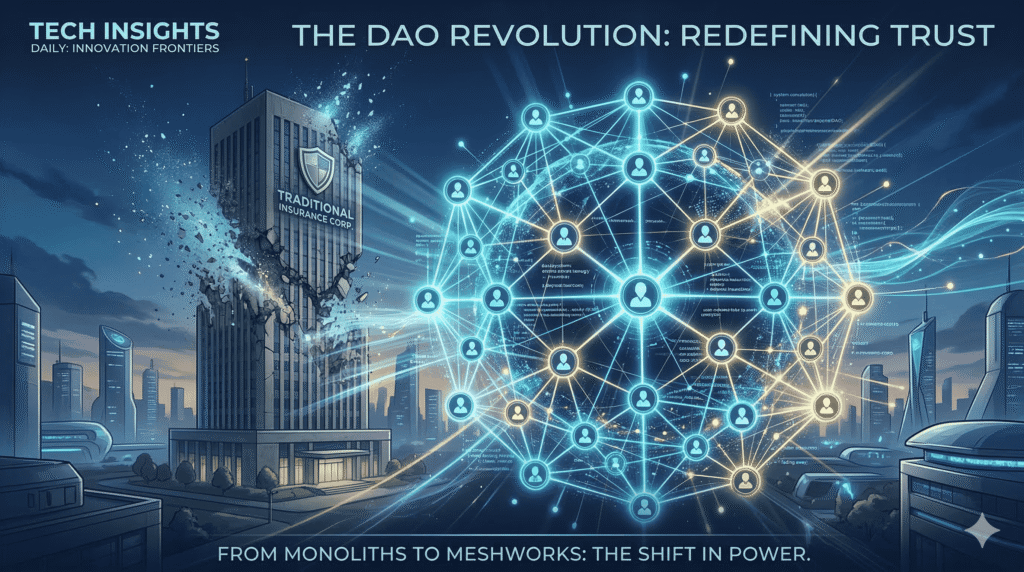
Table of Contents
The Core Idea: From a Company to a Community
To understand Web3 insurance, you first have to understand the shift from Web2 to Web3.
- Web2 (Today): The internet is run by big, centralized companies (like Google, Facebook, or your traditional insurer). They own the platform and your data.
- Web3 (The Future): The internet is built on decentralized blockchain technology. This means platforms can be owned and governed by the users themselves, not a central company.
Web3 insurance, therefore, is decentralized insurance. It’s a model where the policyholders, not a corporation, collectively own and operate the insurance fund.
The Building Blocks of Web3 Insurance
Two key technologies make this possible.
1. Smart Contracts: The Automated Rulebook
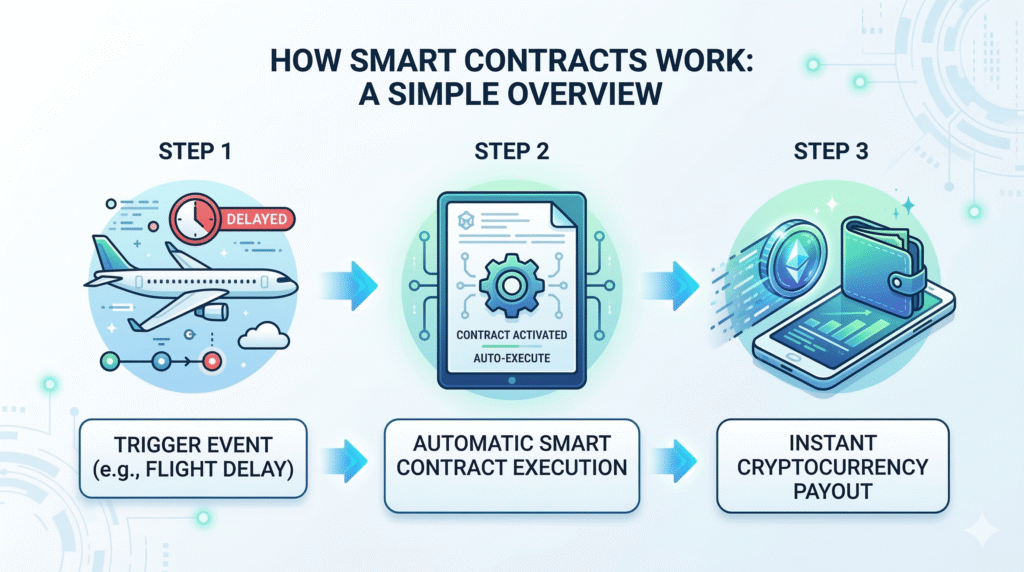
As we’ve discussed before, a smart contract is a self-executing contract written into code on a blockchain.
- How they work: The rules of the policy are coded into the contract. For example, a travel insurance smart contract could say: “IF British Airways flight 245 is delayed by more than 3 hours according to the public flight data oracle, THEN automatically send 0.1 ETH (cryptocurrency) to the policyholder’s digital wallet.”
- The Impact: Claims become instant, automated, and completely objective. There’s no claims adjuster to argue with. The code is the final word.
2. DAOs (Decentralized Autonomous Organizations): The Community Boardroom
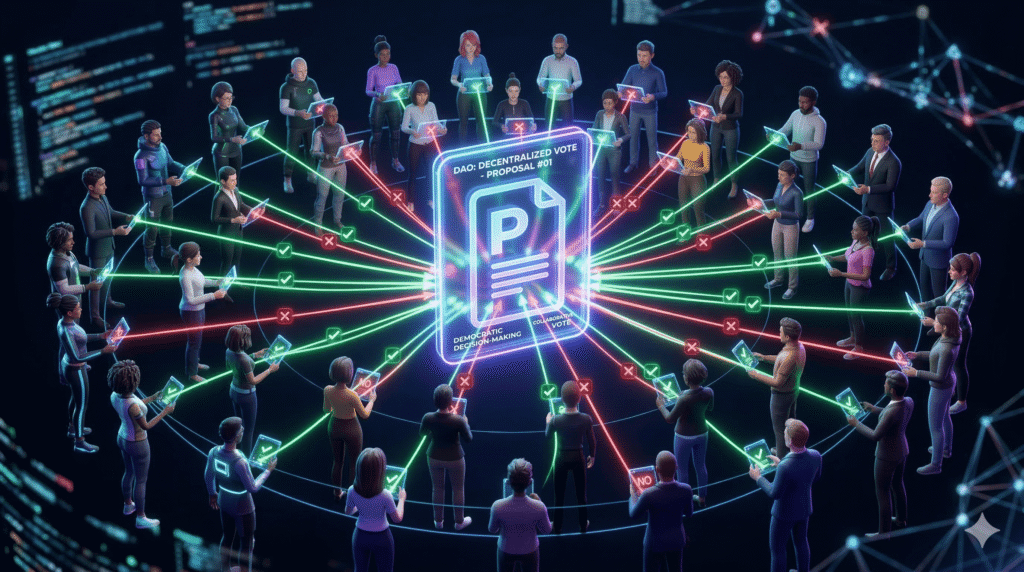
This is the most revolutionary part. A DAO is an organization run by code and controlled by its members.
- How they work: In a Web3 insurance model, the DAO would be the “company.” Every policyholder would get voting rights (often through tokens) to make decisions about the future of the platform.
- The Impact: The members themselves could vote on things like:
- What types of new policies to offer.
- How to invest the group’s funds.
- How to handle a complex, disputed claim. It turns policyholders from passive customers into active owners.
What Does This Future Actually Look Like?
So, what is web3 insurance in practice? It’s a system that is:
- Completely Transparent: Every rule and every transaction is recorded on a public blockchain for all members to see.
- Hyper-Efficient: Smart contracts can automate everything from collecting premiums to paying claims, dramatically lowering administrative costs.
- Community-Governed: There is no CEO. The members collectively guide the direction of the insurance fund, removing the traditional conflict of interest.
We are already seeing the first generation of DeFi insurance protocols (like Nexus Mutual) that allow users to buy cover for risks in the crypto world, like smart contract failures. The next step will be applying this model to real-world assets.
The Challenges Ahead
Of course, this future won’t arrive overnight. The biggest hurdles are:
- Regulation: How do you regulate a company that has no CEO and exists only as code?
- Complexity: The technology is still complex for the average person to use.
- Scalability: Handling millions of real-world claims on a blockchain is still a technical challenge.
Despite the hurdles, the principles of Web3 insurance—transparency, efficiency, and community ownership—are undeniably the future. It’s a shift from asking a company to protect us, to empowering a community to protect itself.





Leave a Reply