
Hey everyone! I’m Adnan from The Insurtech Guide. For millions of small farmers around the world, the weather is everything. Their entire livelihood depends on getting the right amount of rain at the right time. A single unexpected drought or a sudden flood can wipe out a year’s worth of work and income, pushing families into debt and poverty.
For decades, traditional crop insurance has tried to solve this, but the process is often slow and complicated. An adjuster has to visit the farm to assess the damage, and the payout can take months—often too late for the next planting season.
But as I’ve been researching the most impactful InsurTech innovations, I’ve come across a model that offers real hope: parametric weather insurance for farmers. This isn’t just a faster product; it’s a complete rethinking of how we can protect the world’s most vulnerable food producers. So, how does parametric weather insurance for farmers work, and is it a true game-changer?
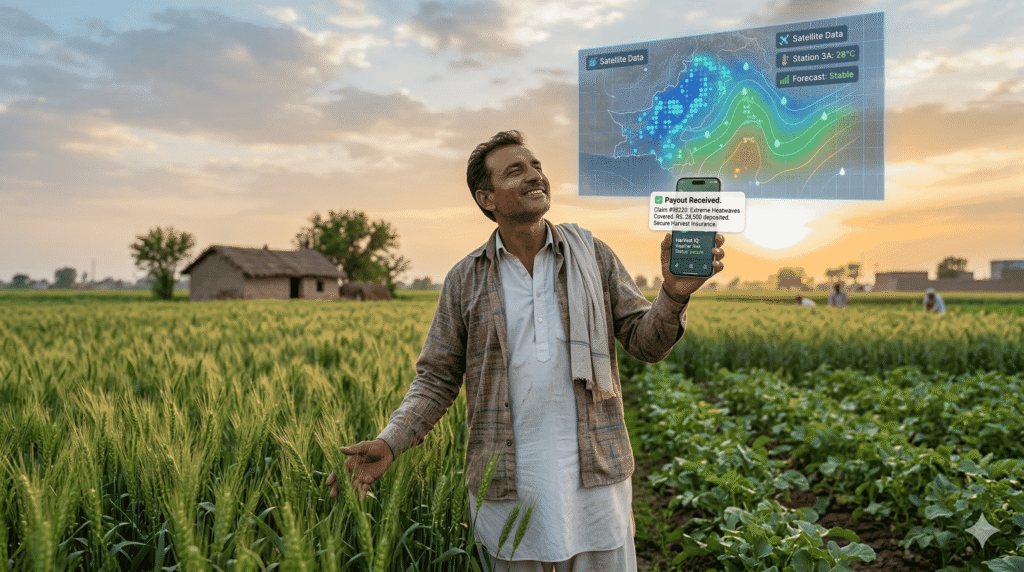
Table of Contents
The Old Way vs. The New Way
To understand the innovation, you need to see the problem with the old way.
- Traditional Crop Insurance: Pays for the actual loss. An adjuster must visit your farm and calculate exactly how many of your crops were destroyed. It’s slow, expensive, and can be subjective.
- Parametric Weather Insurance: Doesn’t pay for your loss. Instead, it pays a pre-agreed amount when a specific weather event (a “trigger”) occurs.
How Parametric Weather Insurance Works: Triggers, Not Tears
The concept is brilliantly simple. The insurance policy isn’t tied to your crops; it’s tied to the weather itself, measured by a trusted, independent data source like a local weather station or satellite data.
Here are some real-world examples of “parametric triggers”:
- For Drought: The policy will automatically pay out if the local weather station records less than 2 inches of rainfall during the crucial month of July.
- For Excess Rain: The policy will automatically pay out if the satellite data shows more than 10 inches of rainfall in a 48-hour period in the farm’s specific GPS location.
- For Frost: The policy will pay out if the temperature sensor records more than 4 consecutive hours below 0°C during a key growth phase.
The moment the trigger is met, the payout is sent automatically. There is no claims adjuster, no farm visit, and no arguments. If the event happened, you get paid. It’s that simple.
The Real-World Impact: Why This is a Lifeline for Small Farmers
The true power of parametric weather insurance for farmers lies in how it solves their biggest problems.
1. Speed is a Lifeline
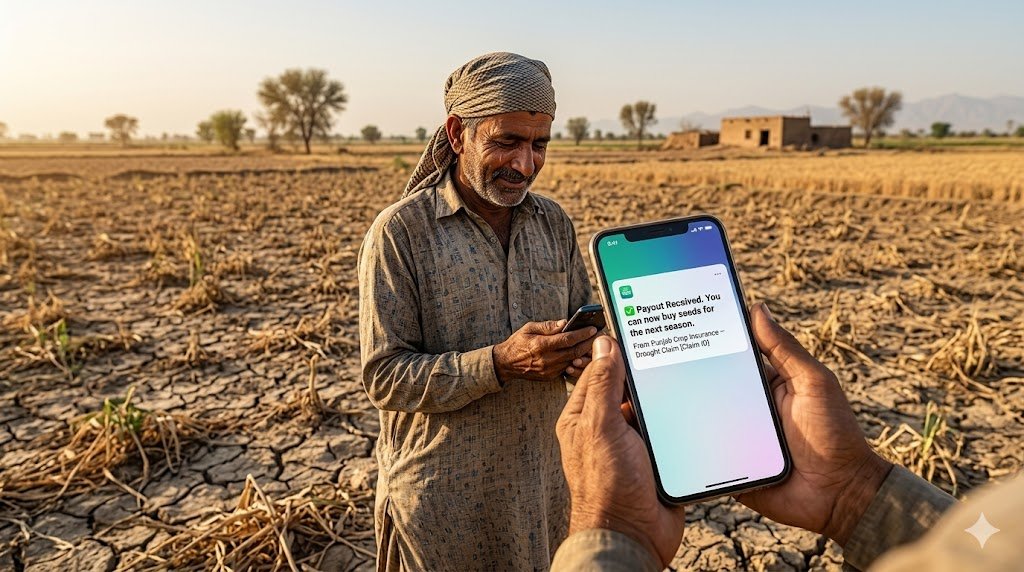
From my research, this is the most critical benefit. A traditional claim can take months. A parametric payout can arrive in a farmer’s mobile money account within days, or even hours, of the disaster. This fast cash allows them to buy new seeds for the next planting season, feed their families, and avoid taking high-interest loans from local moneylenders.
2. Accessibility and Affordability
Because the process is automated and data-driven, the administrative costs are incredibly low. This makes it possible to offer very small, affordable policies (micro-insurance) to farmers in remote, rural areas that traditional insurers could never reach.
3. Trust and Transparency
The process is 100% objective. A farmer can check the same public weather data as the insurer. This removes the disputes and mistrust that often happen during a subjective claims assessment, building a healthier relationship.
A great case study is a company called Pula, which works across Africa and Asia. They bundle these automated insurance products with bags of seed, providing a seamless safety net for millions of smallholder farmers and helping them build resilience against climate change.
Final Verdict: A Tool for a Safer Future
Parametric weather insurance for farmers is more than just a clever InsurTech product. It’s a powerful tool for global development, financial inclusion, and food security. By providing fast, transparent, and accessible capital when it’s needed most, this innovation is empowering the farmers who feed our world to better withstand the growing challenges of a changing climate.





Leave a Reply